News and Views
AI-Powered Supermarkets: How AI Is Creating Smaller, Smarter Stores




AI in Grocery Retail: Creating Smaller, Smarter, More Local Supermarkets
AI is changing grocery retail from the inside out. Rather than simply adding technology to existing supermarkets, retailers are using artificial intelligence, predictive analytics and shopper data to rethink where stores are located, how large they should be, what they sell and how every square metre performs.
The opportunity is bigger than automation. AI can help supermarkets create smaller, smarter and more locally relevant store formats that improve availability, reduce waste, increase basket value, strengthen loyalty and improve sales per square metre.
This is the emerging model of AI-powered supermarket design: connecting shopper intelligence with supermarket strategy, format planning, branding, architecture, interior design, customer experience and digital technology.
Why Supermarkets Are Becoming Smaller and More Local
The future of grocery retail is not necessarily about building bigger supermarkets. It is about creating better-performing stores.
Consumers increasingly combine larger planned shops with smaller and more frequent shopping missions. Convenience, fresh food, food-to-go, ready meals and immediate consumption are becoming increasingly important.
AI enables retailers to understand these behaviours with greater precision.
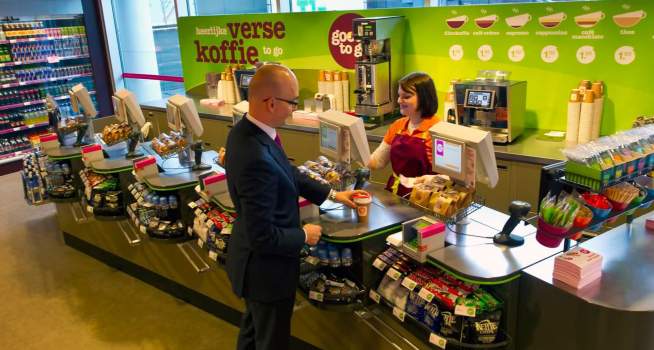
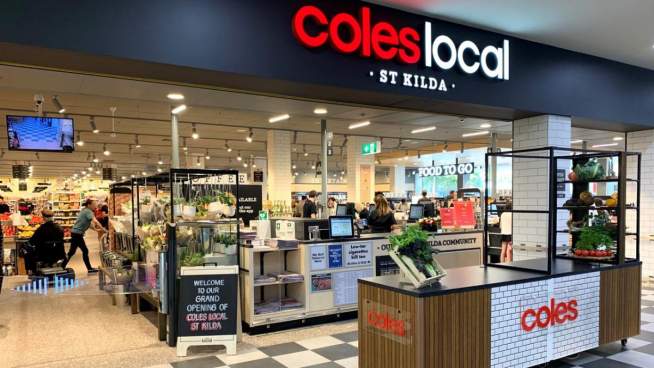
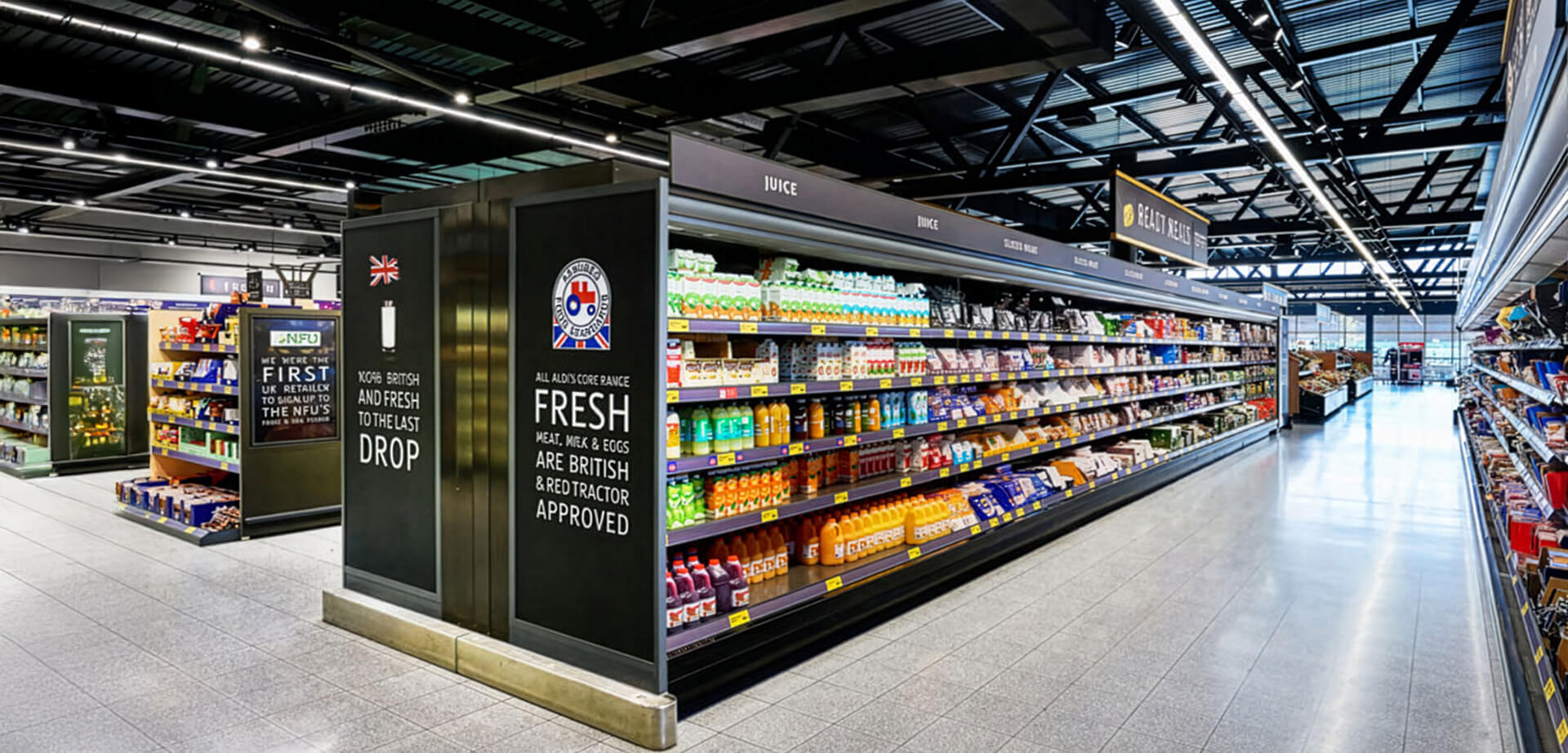
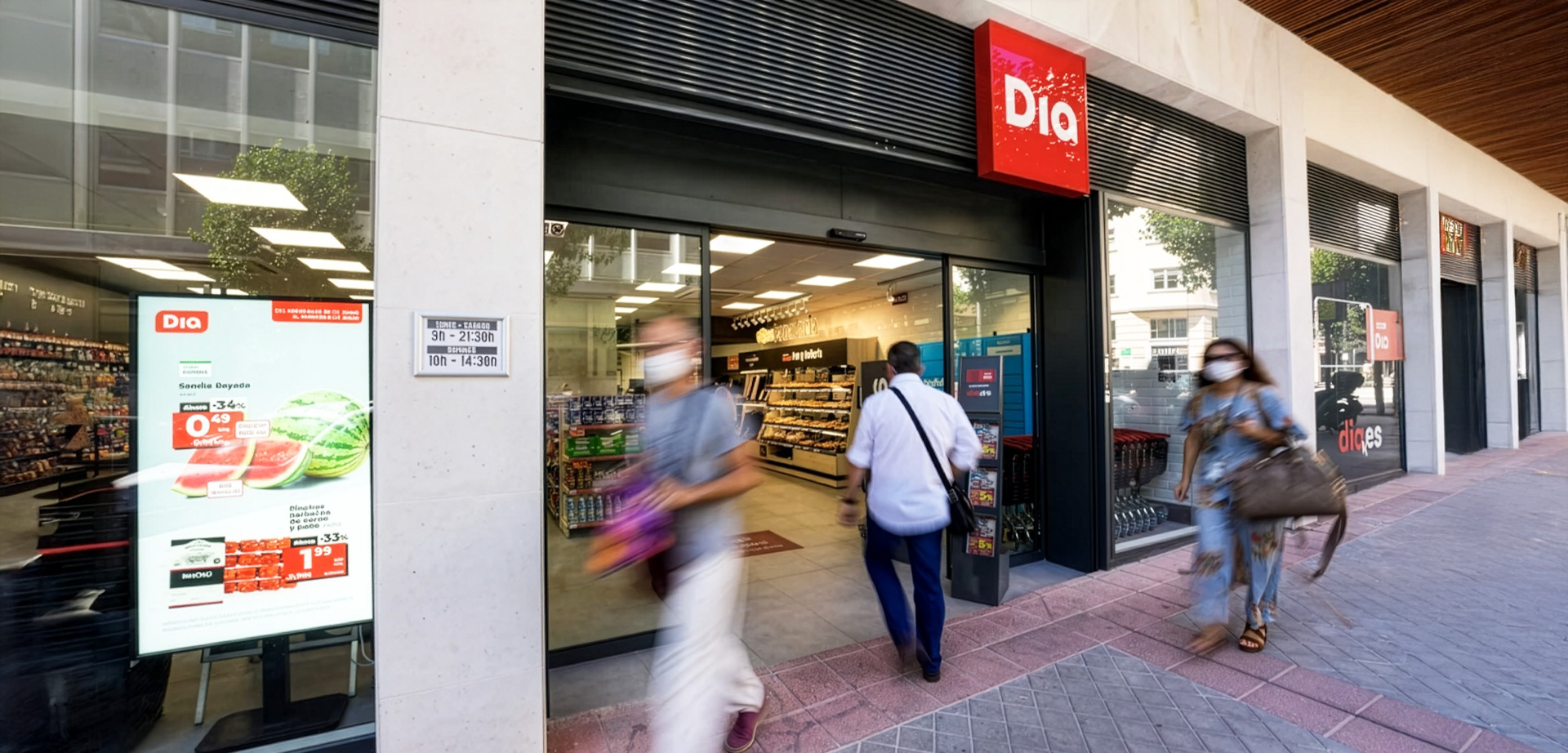
An urban store might prioritise convenience and food-to-go, while a neighbourhood supermarket could emphasise fresh food and local products. A larger destination store might combine grocery shopping with hospitality and discovery.
The result is a move towards right-sized, locally optimised supermarkets.
Location → shopper behaviour → shopping mission → product range → store format → store design → commercial performance.
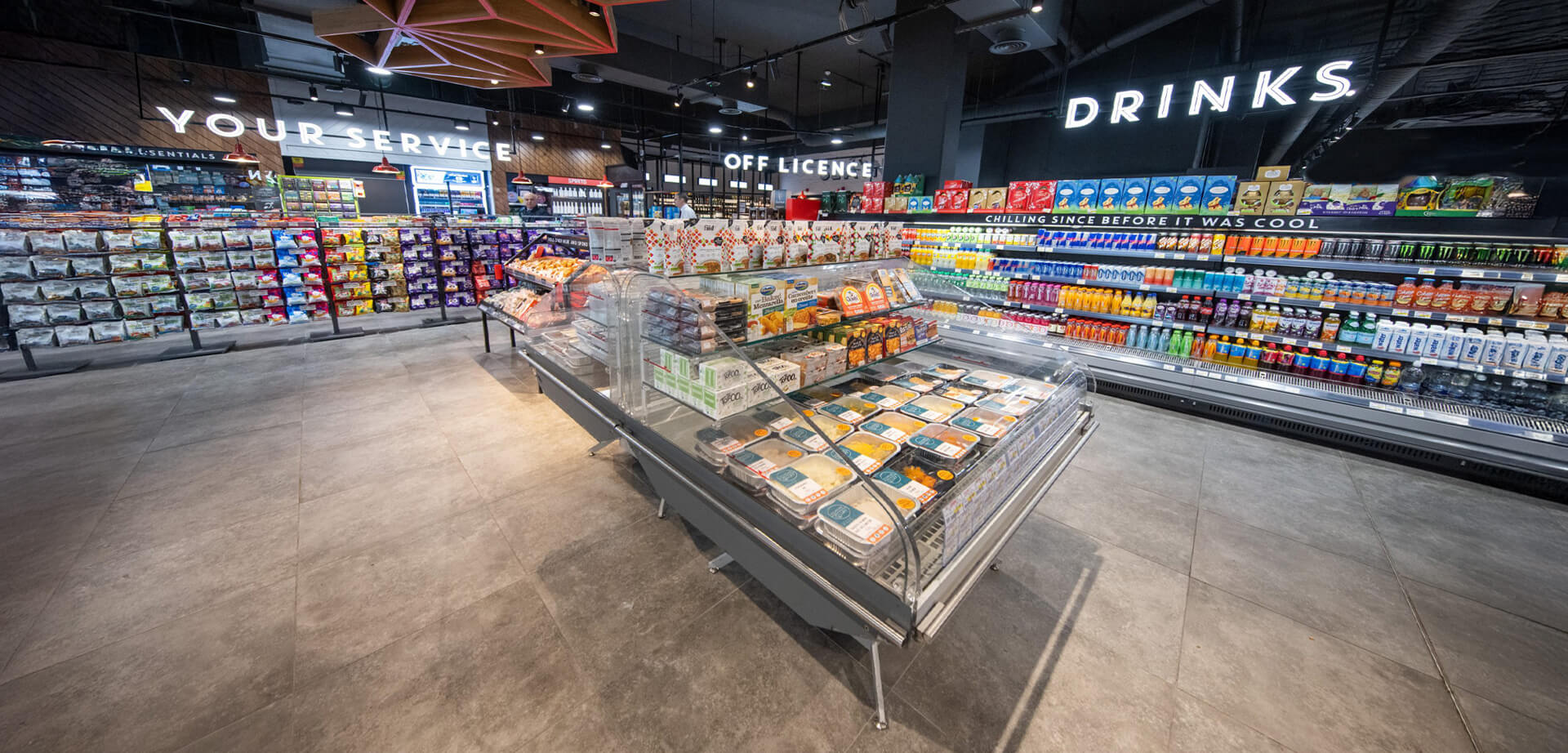
From Standardised Stores to Hyper-Local Formats
AI-powered format planning allows retailers to analyse individual catchments and determine the most appropriate combination of:
- Store size
- Product range
- Fresh-food allocation
- Food-to-go
- Local products
- Services
- Digital experiences
- Fulfilment requirements
This can create a portfolio of compact urban, neighbourhood, fresh-food-led, experience-led and destination formats.
The objective is to make every square metre more relevant and commercially productive.
The fundamental change is simple: AI is no longer just helping supermarkets operate better. It is helping retailers decide what the supermarket should be. AI can analyse purchasing behaviour, footfall, customer preferences, local demographics, product demand and other data to identify the role a particular store should play
- That creates a more flexible approach to supermarket format planning.
- An urban store might prioritise convenience, food-to-go and ready meals.
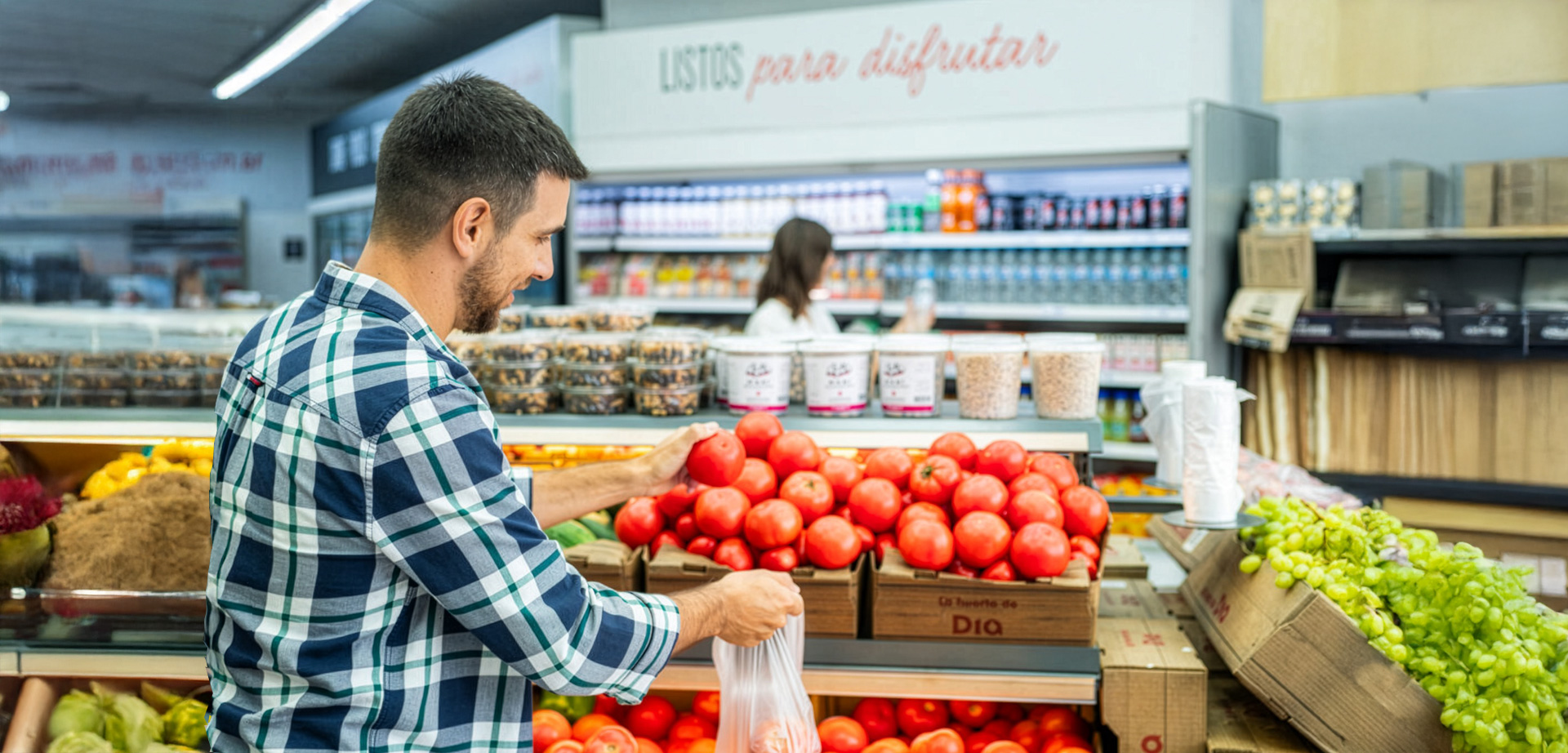
- A neighbourhood supermarket could place greater emphasis on fresh food and locally relevant products.
- A larger destination store might combine grocery shopping with hospitality, discovery and experience.
Instead of every store following the same formula, each location can become more responsive to its market. AI is moving supermarkets from standardised formats to right-sized, locally optimised stores.
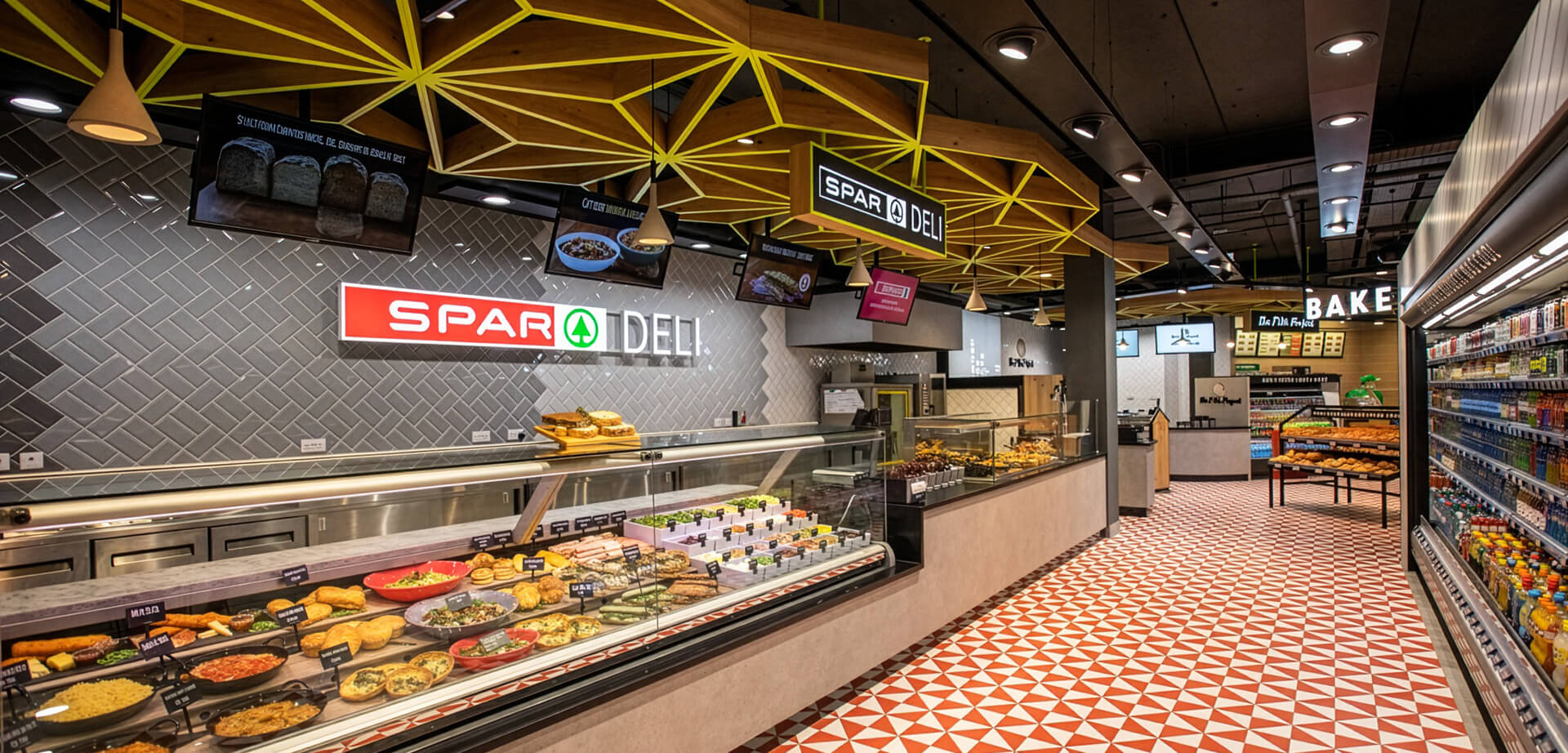
What Is AI Supermarket Design?
AI supermarket design is the integration of shopper data, predictive analytics, supermarket strategy, format planning, branding, architecture, interior design and customer experience to create physical stores optimised around local demand and commercial performance.
Instead of designing a standard store and then adding technology, retailers can start with customer and commercial intelligence and translate that intelligence into the physical environment.
The process becomes: AI insight → supermarket strategy → format planning → store design → customer experience → trading performance → optimisation.
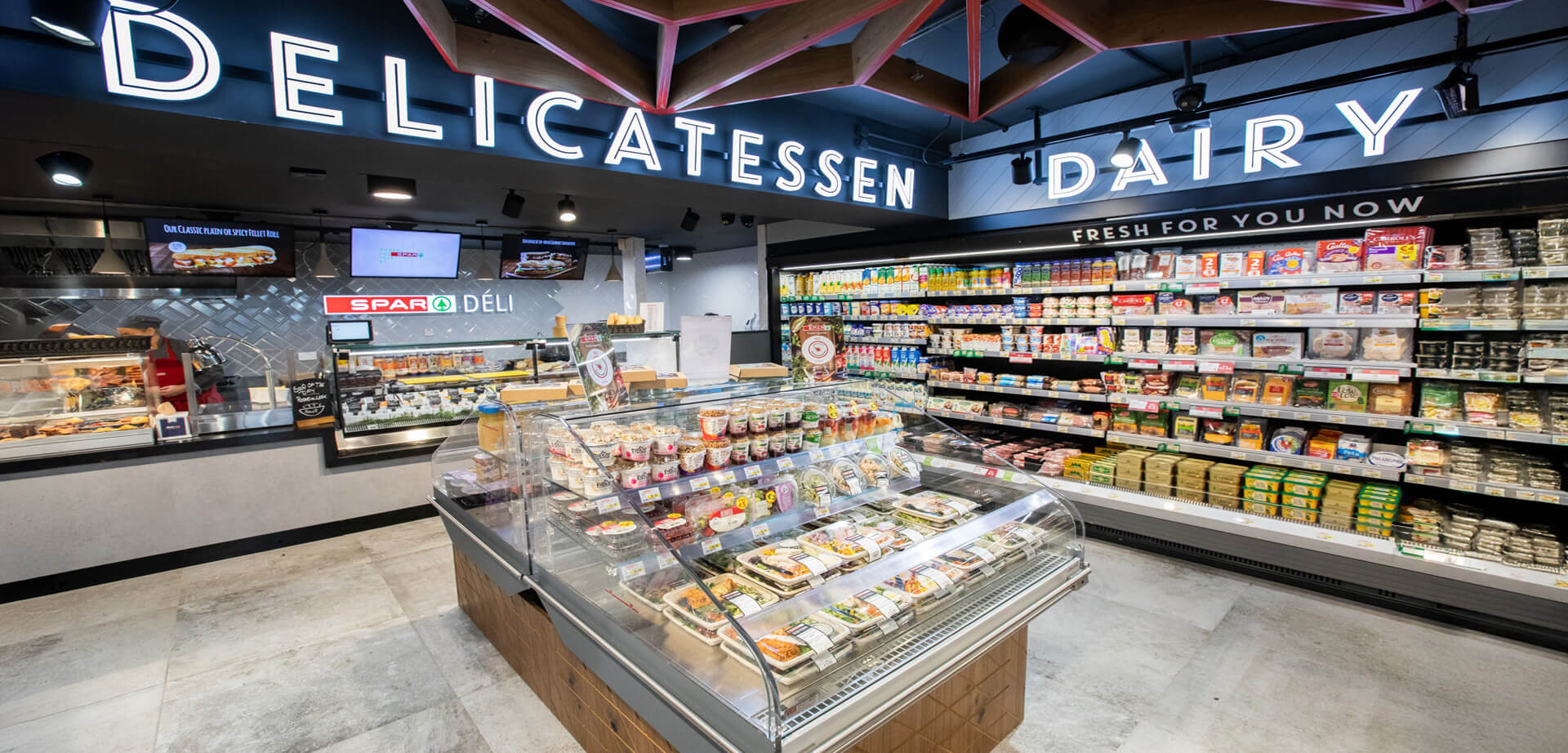
The AI Supermarket Design Framework
A successful AI-powered supermarket should begin with the customer, location and commercial objective, not technology alone.
Location intelligence analyses demographics, catchment, footfall, competition and local trading patterns.
Shopper intelligence reveals behaviour, shopping missions, preferences and basket composition.
Demand intelligence uses predictive analytics to understand product demand, seasonality and availability.
Format strategy determines store size, range, services, fresh food and fulfilment.
Physical and digital design translates these insights into layout, navigation, merchandising, architecture, interiors, apps, digital signage and connected experiences.
Commercial optimisation measures sales per square metre, basket value, availability, waste, loyalty, productivity and ROIC.
The advantage comes from connecting data to decisions, and decisions to physical design.
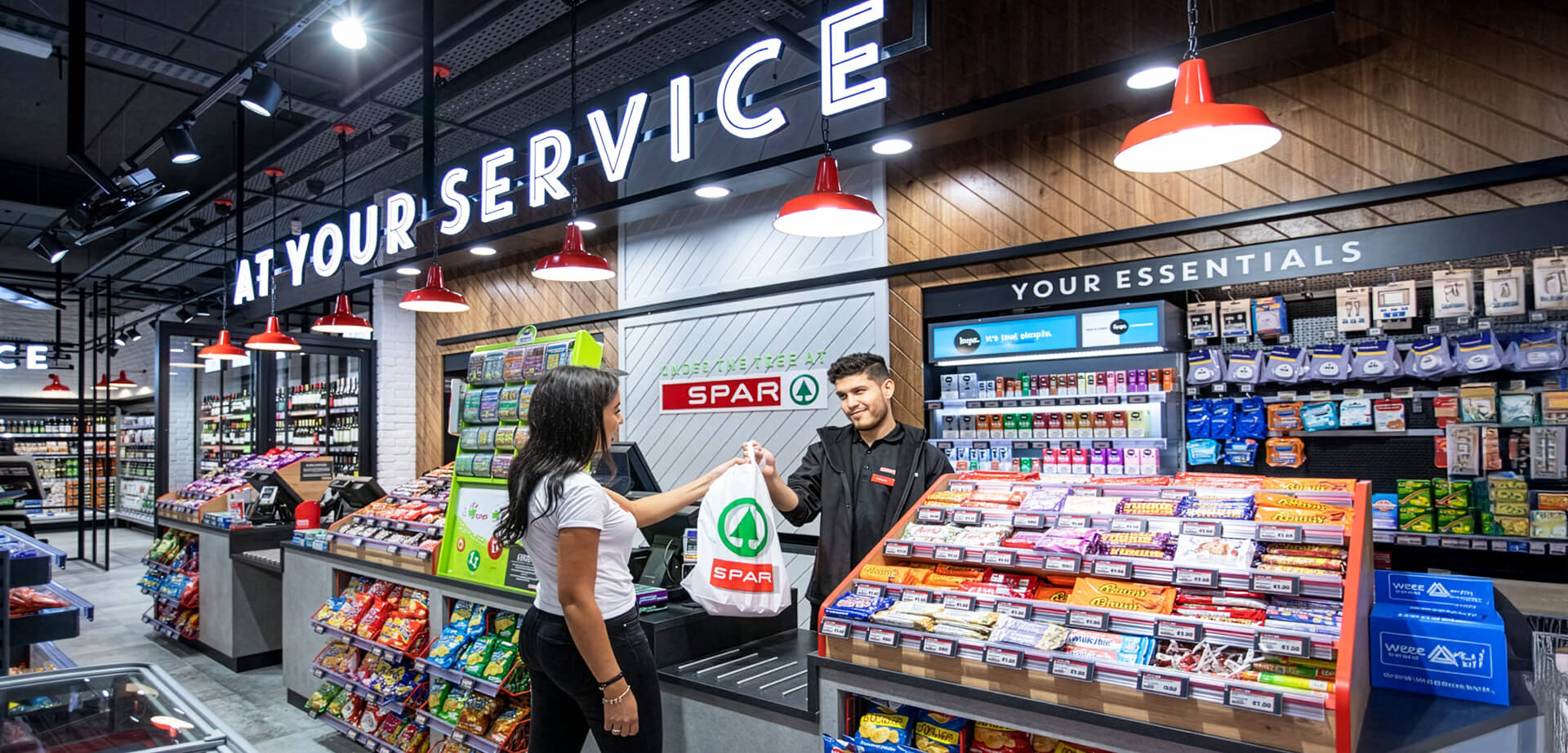
How AI Can Improve Supermarket Commercial Performance
The commercial case for AI in grocery retail goes beyond automation.
When AI intelligence is connected to supermarket strategy and store design, retailers can potentially achieve:
Higher sales per square metre through better allocation of space and investment.
Larger basket values through more relevant ranges, merchandising and meal solutions.
Lower food waste through improved demand forecasting.
Better product availability through predictive replenishment.
Higher labour productivity through intelligent task prioritisation.
Stronger customer loyalty through more relevant local experiences.
Better investment decisions by identifying higher-performing formats and locations.
Higher ROIC by connecting technology and physical-store investment to measurable commercial outcomes.
The objective is therefore: Better demand intelligence → better space allocation → better availability → less waste → higher productivity → stronger ROIC.
Predictive Analytics and Intelligent Supermarket Operations
Supermarkets generate enormous quantities of data through transactions, loyalty programmes, inventory, ecommerce and store operations.
AI can transform that data into predictive decisions across demand forecasting, replenishment, shopper analytics and operations.
The important distinction is between data collection and intelligent action. A dashboard showing that a product is unavailable is useful; an intelligent system that identifies the problem, prioritises its impact and recommends the next action is more valuable.
Grocery retail is therefore moving from: Measure → report → react
Towards: Predict → prioritise → act → measure → optimise.
AI and the Physical Supermarket Experience
As AI automates more routine aspects of shopping, physical supermarkets have an opportunity to become more valuable, not less.
If consumers can use AI to plan a shop, compare products, build a basket or find information digitally, physical stores need to offer experiences beyond basic transaction.
These can include fresh-food experiences, hospitality, product discovery, local ranges, community, service and intuitive navigation.
The physical supermarket becomes part of a wider digital-physical customer ecosystem.
As AI and agentic commerce influence how consumers discover, evaluate and purchase products, the strategic shift is:
From bigger stores to better stores.
From standardised formats to hyper-local formats.
From technology as an add-on to intelligence embedded throughout the customer journey.
From measuring sales alone to optimising performance per square metre.
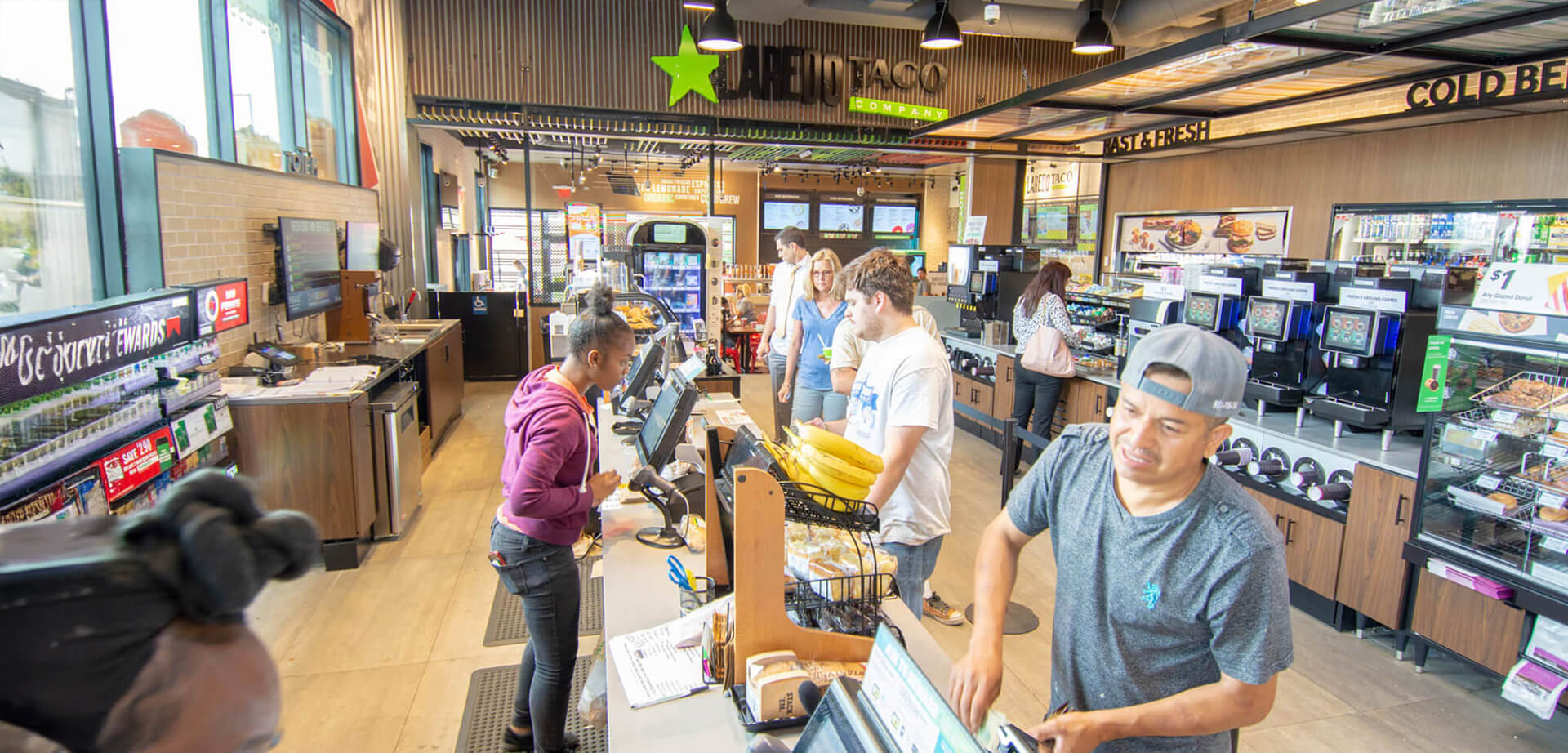
Real-World AI in Grocery Retail
AI-powered shopping technology is already moving into physical supermarkets.
In July 2026, Morrisons launched Instacart's AI-powered Caper smart trolleys at its Preston supermarket. The technology uses computer vision and other capabilities to recognise products, weigh fresh produce and display a running basket total, creating a more connected shopping experience.
The significance extends beyond the trolley. Connected technology can generate new behavioural signals while improving convenience for shoppers.
The strategic question is: “What customer problem or commercial opportunity should this technology solve?”
Technology investment needs to connect to measurable retail outcomes.
AI, Supermarket Branding and Design
AI also changes the role of supermarket branding and design. Brand strategy, format planning, architecture, interiors, visual merchandising, customer experience and digital technology increasingly need to work as one system.
The brand promise should influence the customer journey; the journey should influence the format; and the format should support measurable commercial objectives.
This is where AI-driven supermarket strategy and store design become commercially valuable.
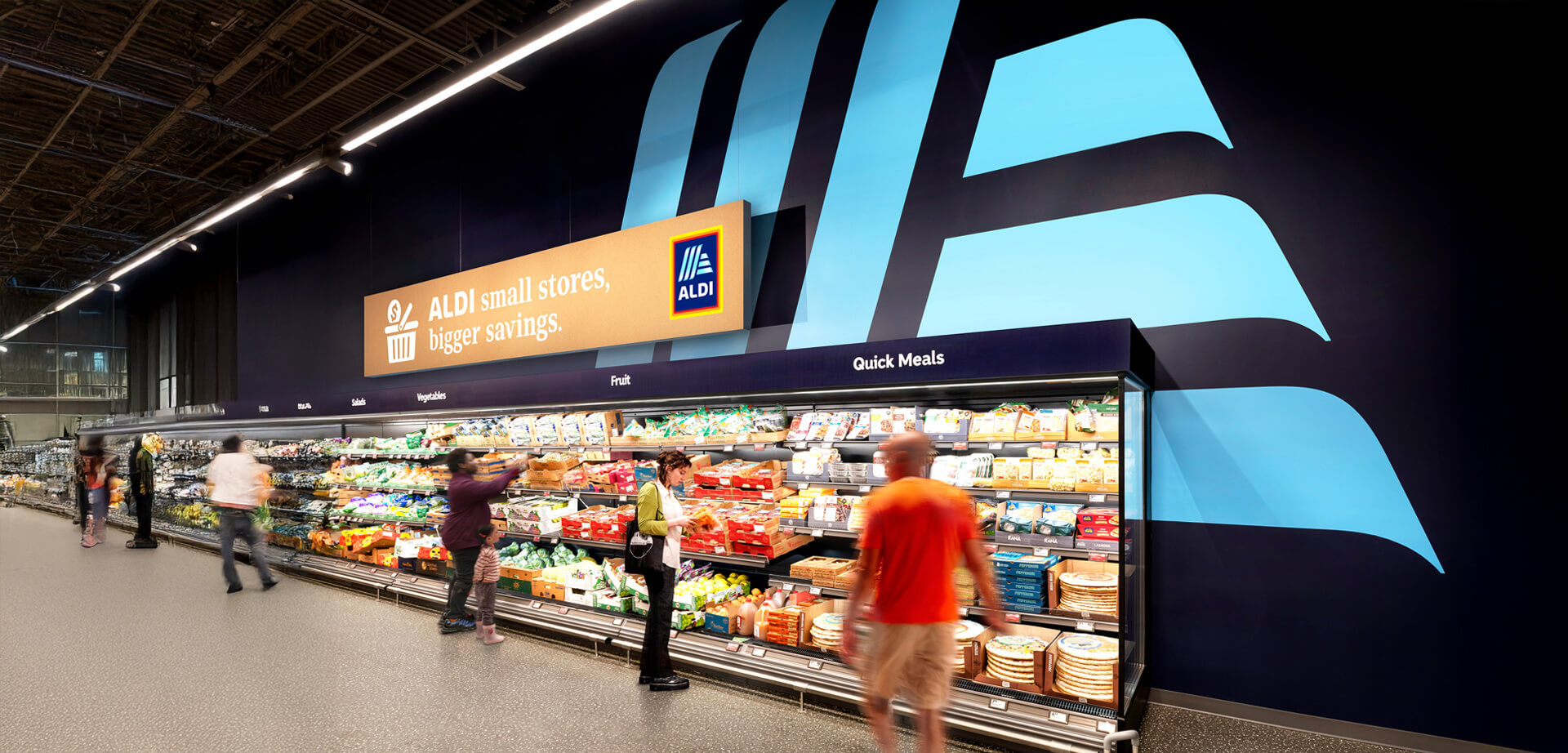
The future supermarket may therefore be smaller, but significantly more intelligent
AI can help retailers understand who their customers are, what they want, where they shop, when they shop and what they expect from the store. Store design then turns those insights into a physical experience.
What AI Means for Supermarket Branding and Design.
This creates a new role for supermarket branding and design.
Brand strategy, format planning, architecture, interiors, visual merchandising, customer experience and digital technology can no longer be developed independently.
They need to work as one system.
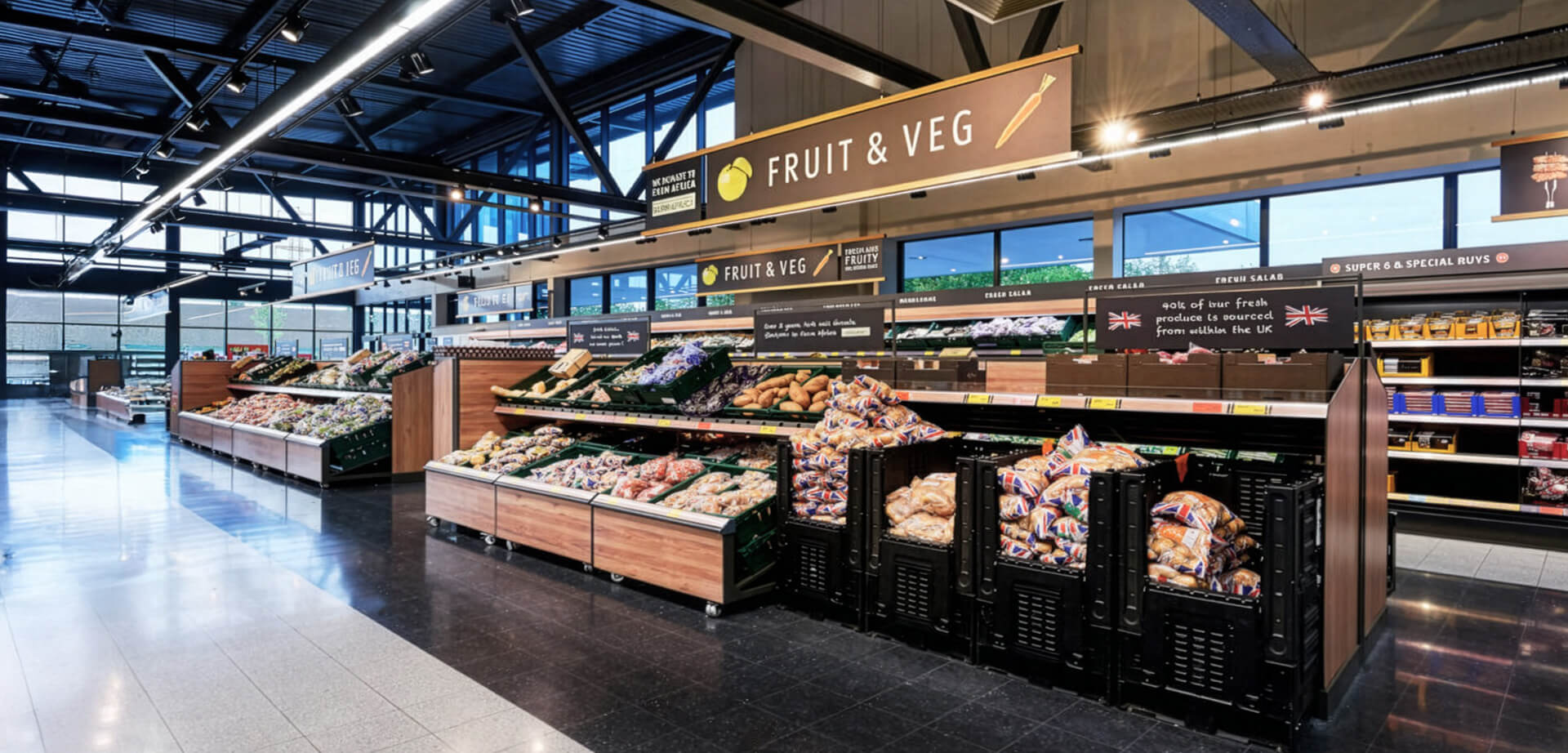
For CampbellRigg, this is where supermarket strategy and design intersect with AI
Our approach combines supermarket branding, shopper insight, format planning, architecture, interior design, visual merchandising and digital experience to translate customer and commercial data into physical environments.
Frequently Asked Questions
What is AI in grocery retail?
AI in grocery retail refers to the use of artificial intelligence, predictive analytics and shopper data to improve everything from product demand and inventory to store formats, customer experiences and operational performance.
How is AI changing supermarket store design?
AI is helping retailers use shopper behaviour, local demand and trading data to create store formats that are more relevant to specific locations. This can lead to smaller, more flexible and more personalised supermarkets designed around local shopping missions.
Will AI replace physical supermarkets?
AI is more likely to transform the role of physical supermarkets than replace them. As technology automates more routine activities, stores can place greater emphasis on fresh food, discovery, convenience, hospitality, service and experiences that create value beyond digital shopping.
What will the future supermarket look like?
Future supermarkets are likely to become more flexible, intelligent and locally relevant. Formats may range from compact urban convenience stores to fresh-food-led neighbourhood supermarkets and larger experience-focused destinations, with technology integrated throughout the customer journey.
Why is predictive analytics important for grocery retailers?
Predictive analytics can help retailers anticipate demand, improve product availability, reduce waste and understand changing shopper behaviour. These insights can also inform range planning, store layouts, format strategy and investment decisions.
How should supermarkets redesign their stores for an AI-driven future?
Retailers should begin with shopper behaviour and commercial objectives rather than technology alone. Store design should translate data and customer insights into the right format, product range, navigation, experience, services and digital-physical touchpoints for each location.
The Future of Grocery Retail Is Intelligent and Local
AI is changing how consumers shop, how retailers operate and how supermarkets are designed.
The response should not be to make the physical supermarket less important. It should be to make every store more relevant, efficient and valuable to its customers.
The future belongs to grocery retailers that connect AI, shopper data, digital platforms, physical environments, brand experience and human service into one intelligent retail ecosystem.
How CampbellRigg Helps Supermarkets Transform
CampbellRigg integrates supermarket brand strategy, shopper insight, format planning, architecture, interior design, branding, visual merchandising, digital innovation and omnichannel experience to create future-ready grocery environments.
Our expertise includes supermarket branding, store strategy, format planning, customer journey design, retail interiors, digital-physical touchpoint integration, visual merchandising and performance-led retail design.
The objective is to make brand, technology, shopper behaviour and physical space work together to create more relevant and commercially effective stores.
Stronger CampbellRigg conversion path: AI → better demand intelligence → better space allocation → lower wasted space → better availability → better productivity per square metre → higher ROIC
- Improve store productivity and returns per square metre
- Strengthen customer engagement and loyalty
- Create more relevant local store formats
- Improve operational efficiency
- Modernise supermarket experiences
- Support long-term retail growth
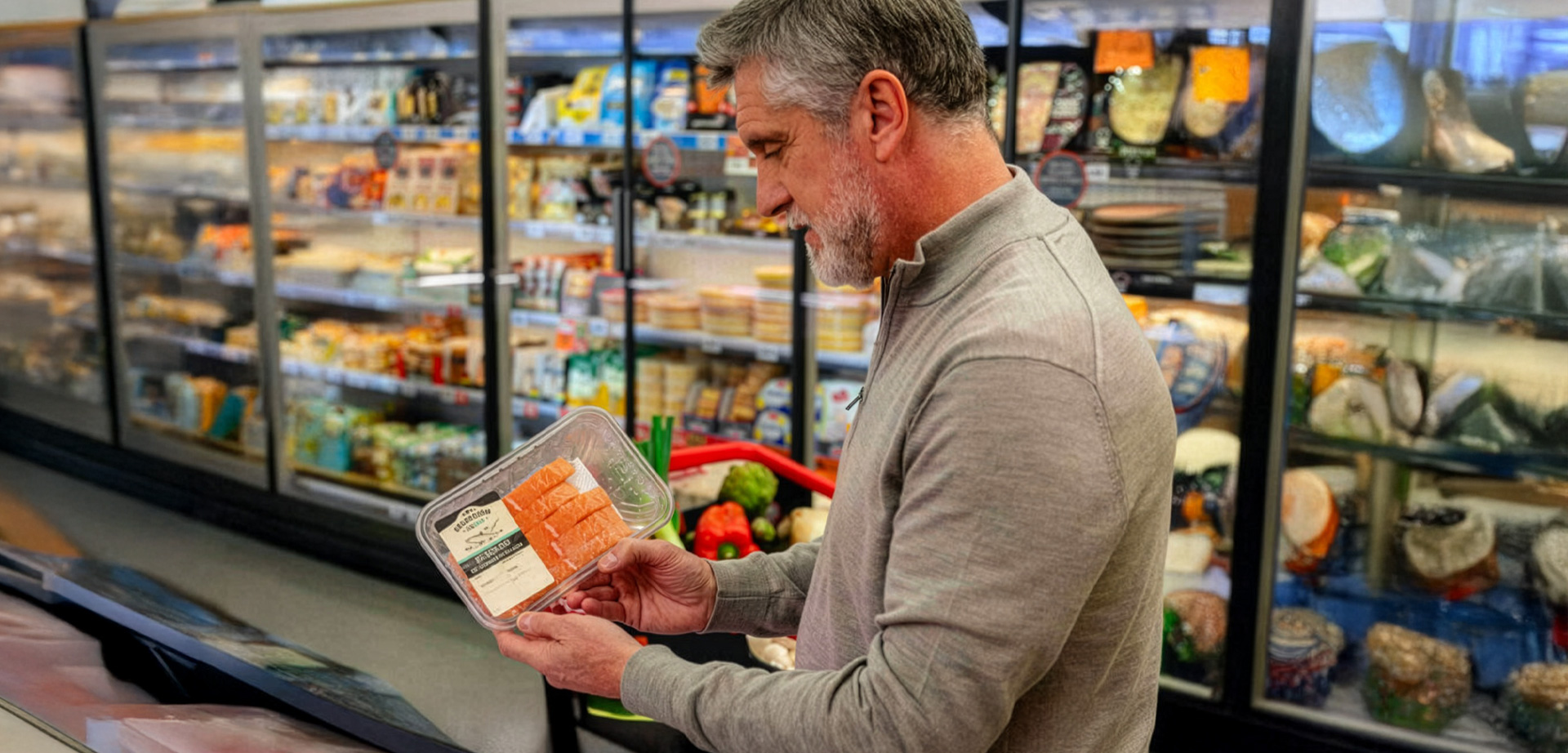
The objective is not simply to design a more attractive supermarket
It is to create a retail format that is more relevant to its location, more responsive to its customers and more commercially productive.
The Intelligent Supermarket Ecosystem
The supermarket of the future will increasingly adapt to its customers rather than expecting customers to adapt to a standardised store.
AI analyses the location.
Shopper data reveals behaviour.
Predictive analytics identifies demand.
The retailer determines the appropriate range and format.
Store design translates those insights into the physical environment.
Performance data then feeds back into the system.
This creates a continuous cycle of insight, design, trading and optimisation.
The competitive advantage will therefore not come from AI alone. It will come from integrating AI, data, supermarket branding, format strategy and store design into a single commercial proposition. The future supermarket is not necessarily bigger.
It is smaller, smarter, more local and designed around the customer.
CampbellRigg helps supermarket and grocery retailers translate customer behaviour, technology and commercial objectives into future-ready retail environments.
The approach connects shopper insight, brand strategy, technology and physical space to create more relevant and commercially effective stores.
The opportunity is not simply to build a smarter supermarket.
It is to design the right supermarket for the right customer, location and commercial objective.
Frequently Asked Questions
What is AI in grocery retail?
AI in grocery retail uses artificial intelligence, predictive analytics and shopper data to improve decisions across demand forecasting, inventory, merchandising, store formats, customer experience and operations.
How is AI changing supermarket store design?
AI enables retailers to use shopper behaviour, local demand and trading data to create store formats more relevant to individual locations, shopping missions and customer needs.
Can AI increase supermarket sales per square metre?
AI can support better decisions about space allocation, ranges, merchandising and store formats, improving physical-store productivity.