
News and Views
Supermarket Technology, Design, Branding & ROIC Growth Trends 2029






Supermarket Technology, Design, Branding & ROIC Growth Trends 2029
How supermarket technology can create a smarter, scalable and commercially productive retail network
What will supermarket technology look like by 2029 and, more importantly, how will it improve the economics of the supermarket network?
For CEOs, retail directors and senior management teams, the question is no longer whether artificial intelligence, customer data, digital commerce and connected store technology will change grocery retail.
They already are.
The management challenge is deciding where technology creates genuine commercial value and how it should connect with customer intelligence, supermarket formats, branding, store design, customer experience and investment decisions.
McKinsey's European grocery research shows the scale of the opportunity and the difficulty of converting technology investment into measurable financial performance. European grocery sales grew 3.4% in 2025, while volume grew only 0.6%; 47% of grocery CEOs identified AI and automation among their top three priorities, yet 70% reported no measurable EBIT impact from AI so far or said it was too early to tell.
The implication is clear:
Supermarket technology should not be treated as an IT programme sitting alongside retail strategy. It should be used to improve the decisions that determine format, customer experience, space productivity, loyalty and ROIC.
For management, the commercial relationship becomes: Supermarket technology → customer intelligence → better retail decisions → stronger customer experience → higher productivity → stronger ROIC.
This is where CampbellRigg's expertise becomes relevant.
From supermarket technology investment to commercial performance
A supermarket network cannot be transformed successfully through disconnected technology, branding or design initiatives.
AI can identify changing customer behaviour, but management must decide how that intelligence affects assortment, store formats and customer journeys.
Customer data can reveal new shopping missions, but those insights must influence space allocation and service design.
A new brand proposition can create differentiation, but it must be expressed consistently across the physical network.
A redesigned supermarket can improve navigation and experience, but management needs to understand whether the investment improves conversion, basket value, sales productivity, loyalty or return on invested capital.
How CampbellRigg helps
CampbellRigg begins by connecting these disciplines rather than treating them as separate design commissions.
Brand auditing establishes how the existing proposition is perceived and expressed. Customer and market analysis identifies the opportunity. The strategic brief defines the desired commercial position. Supermarket technology requirements are then considered alongside format planning, customer journeys, space allocation, brand expression and store design.
The benefit management receives is one strategic direction linking technology, brand and physical retail performance, rather than a collection of disconnected initiatives.
For retailers requiring a broader framework covering brand positioning, format planning, customer experience and commercial growth, CampbellRigg's dedicated supermarket retail strategy capability provides that wider strategic context.
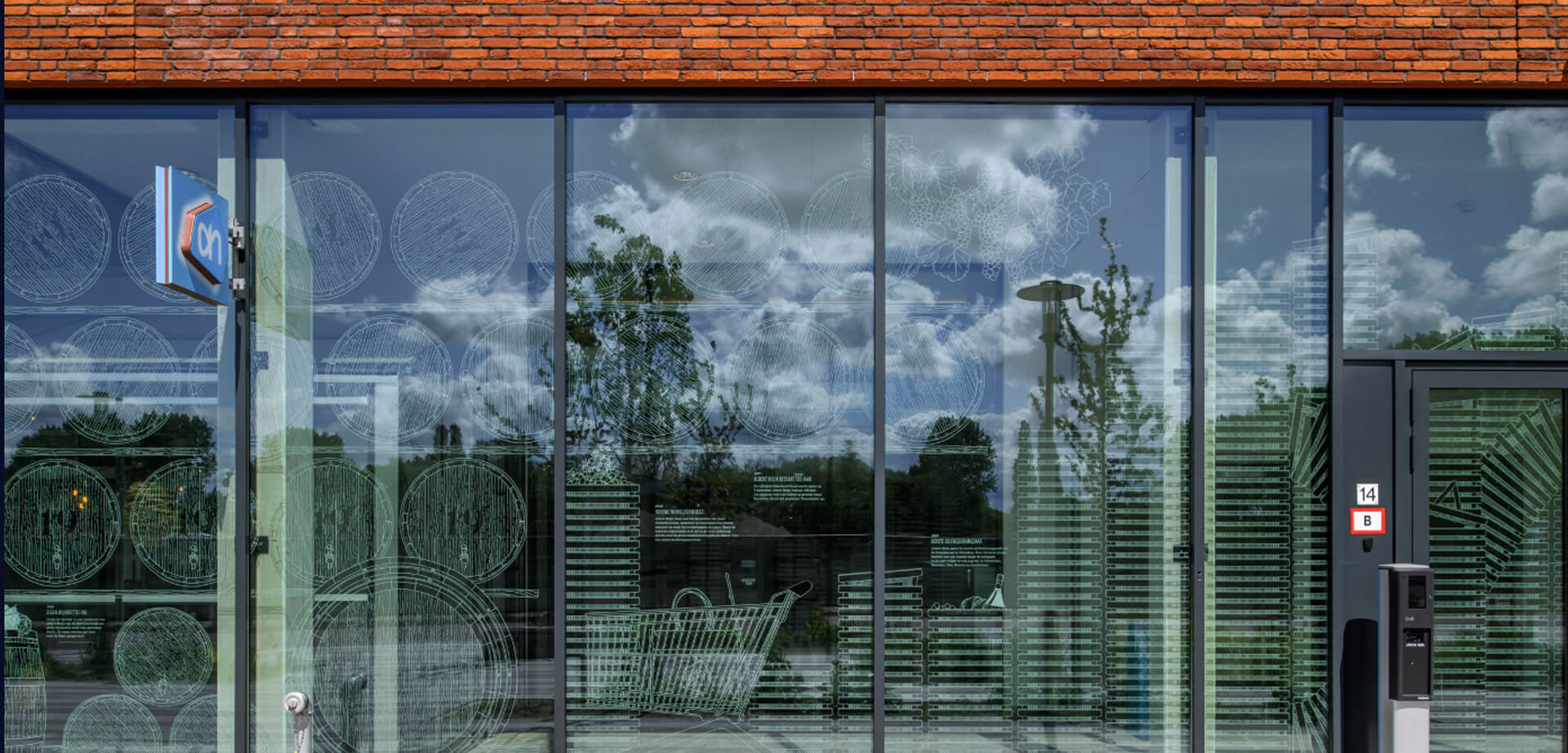
Six international benchmarks illustrating the future of supermarket retail
Different retailers are already demonstrating elements of this emerging model:
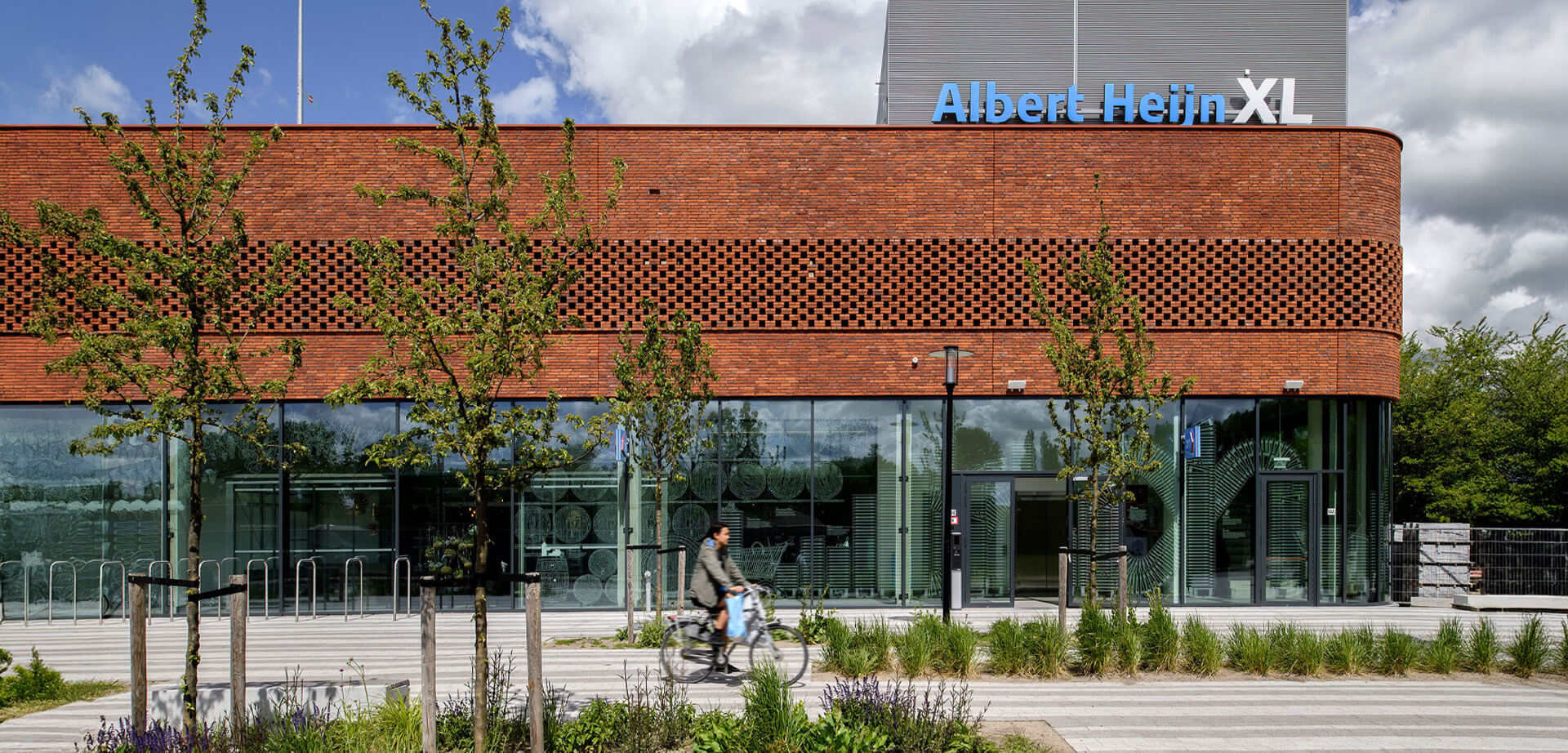
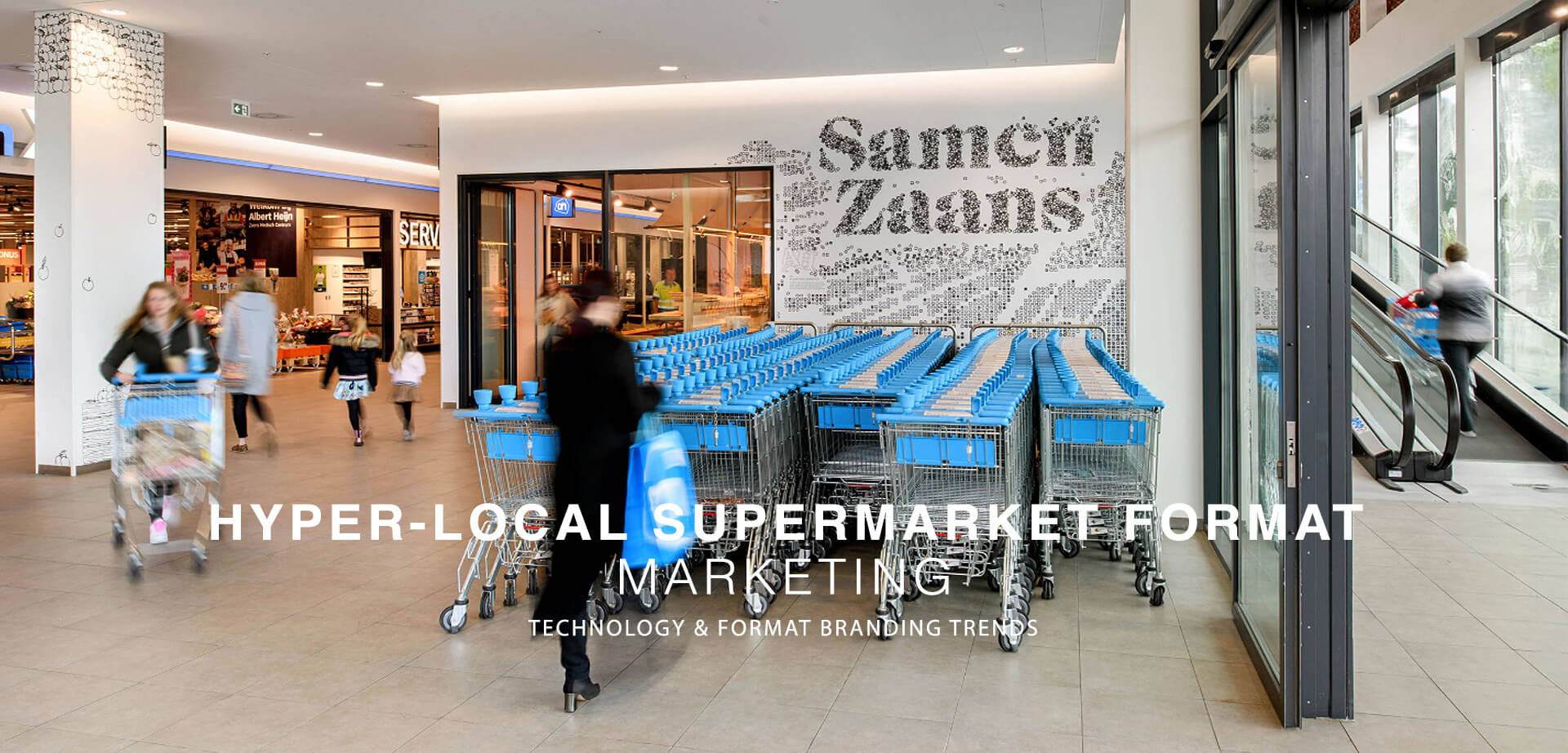
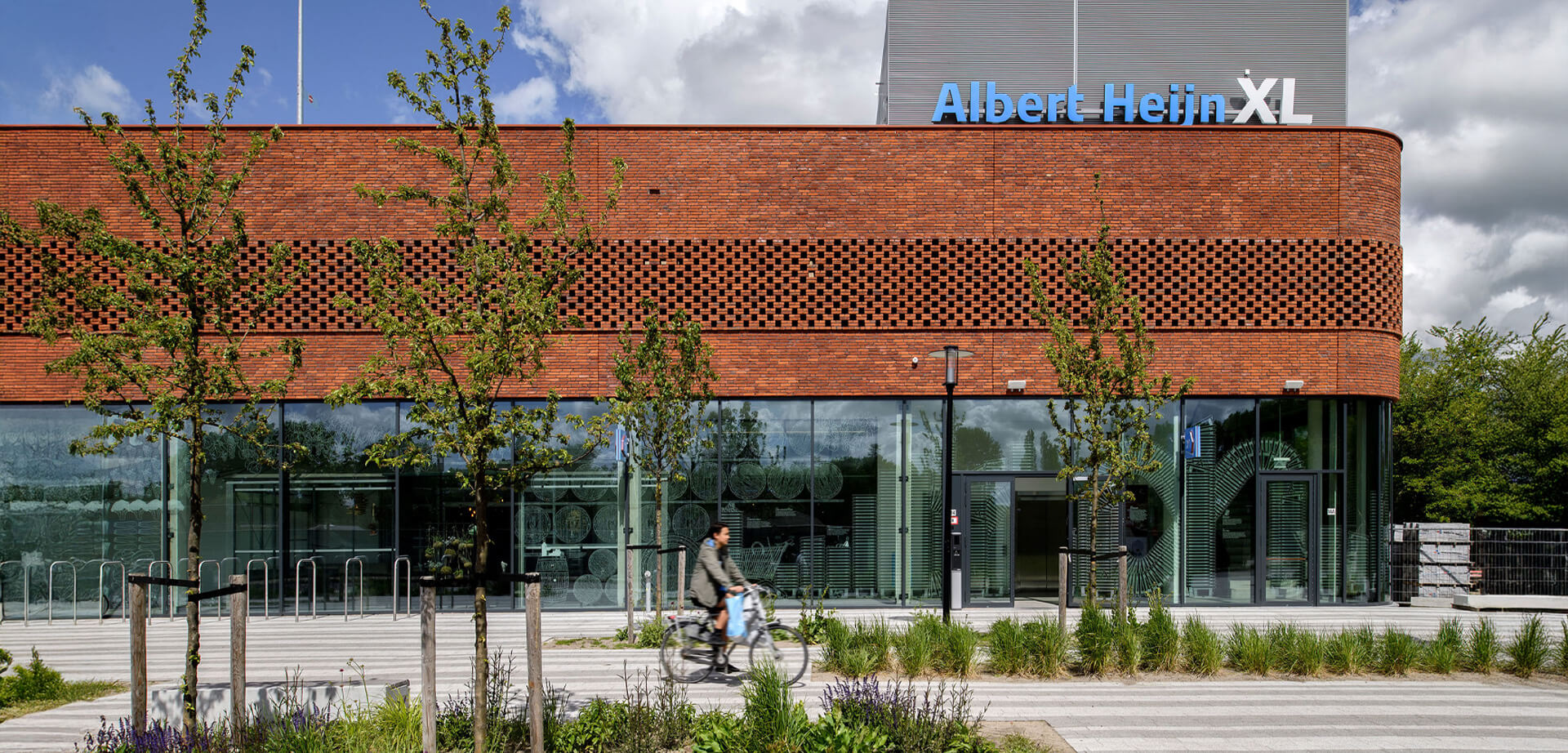
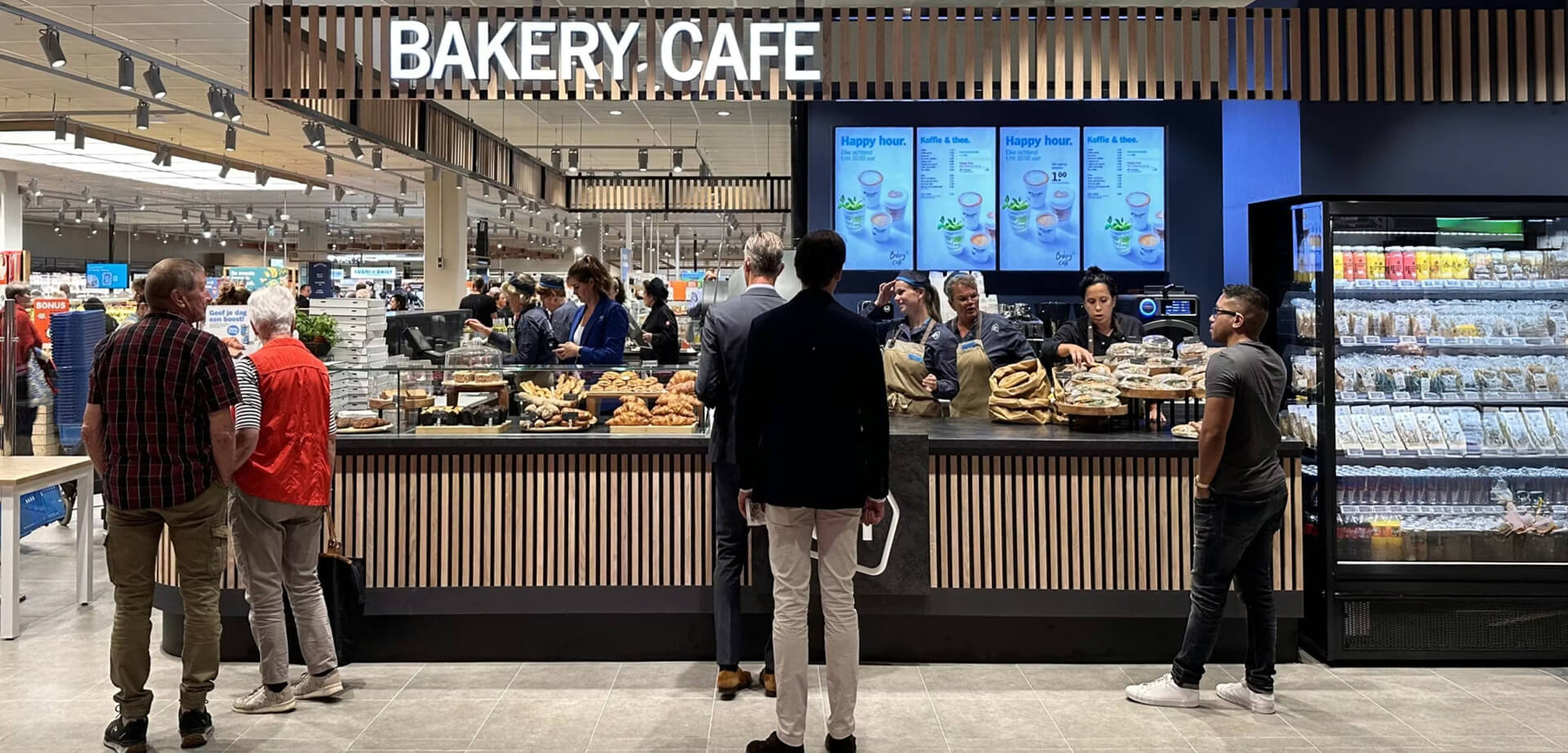
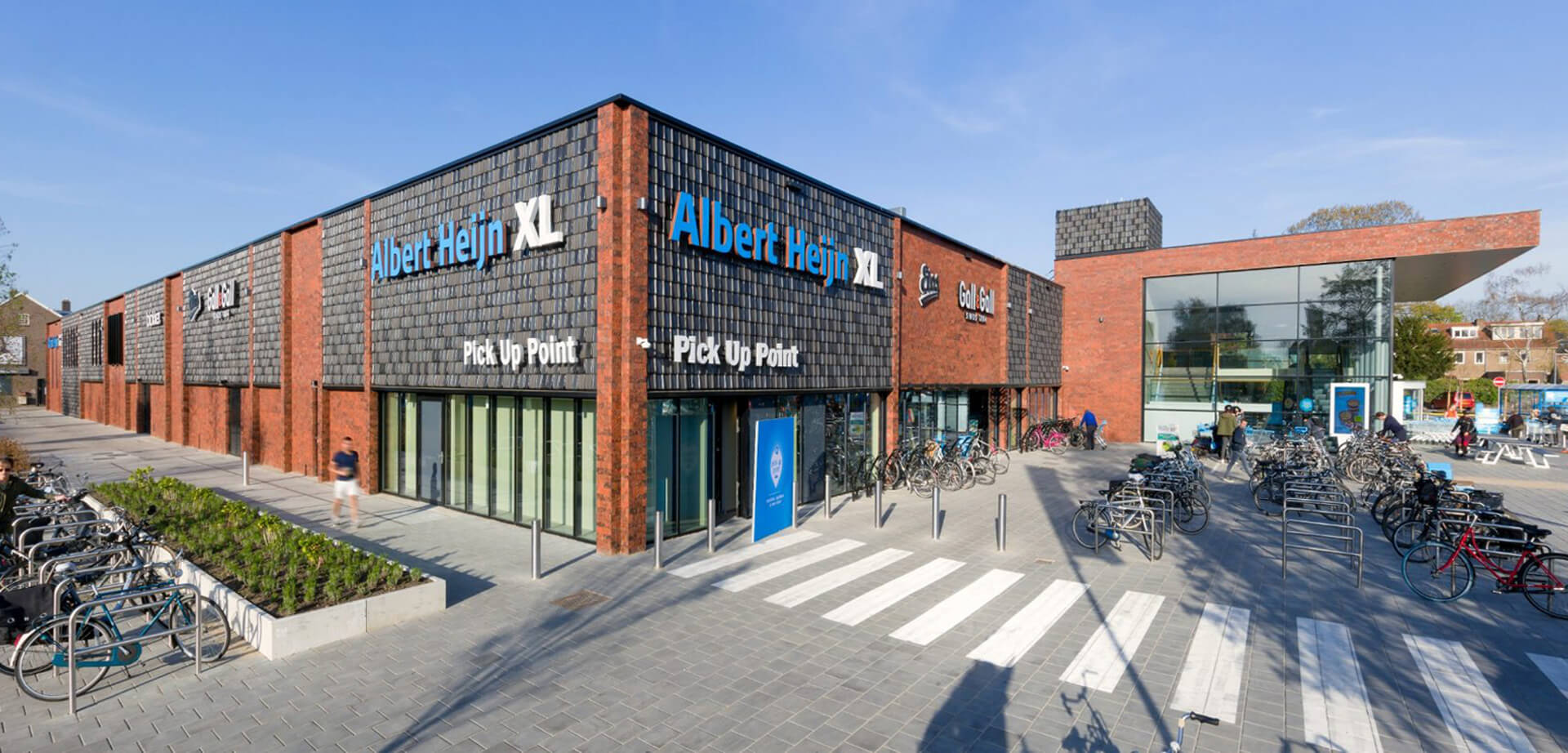
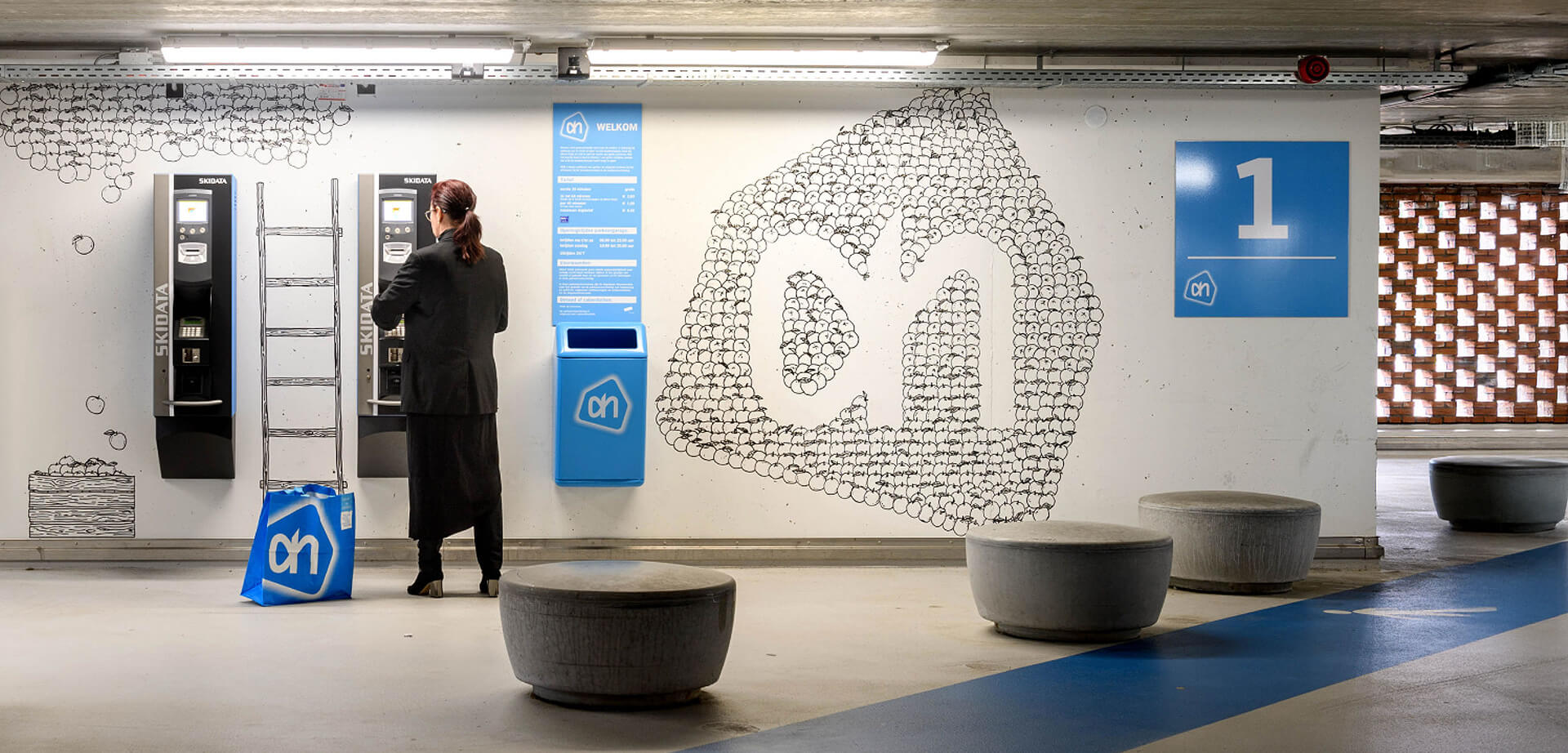
Albert Heijn XL → Destination retail → Experience + fresh food
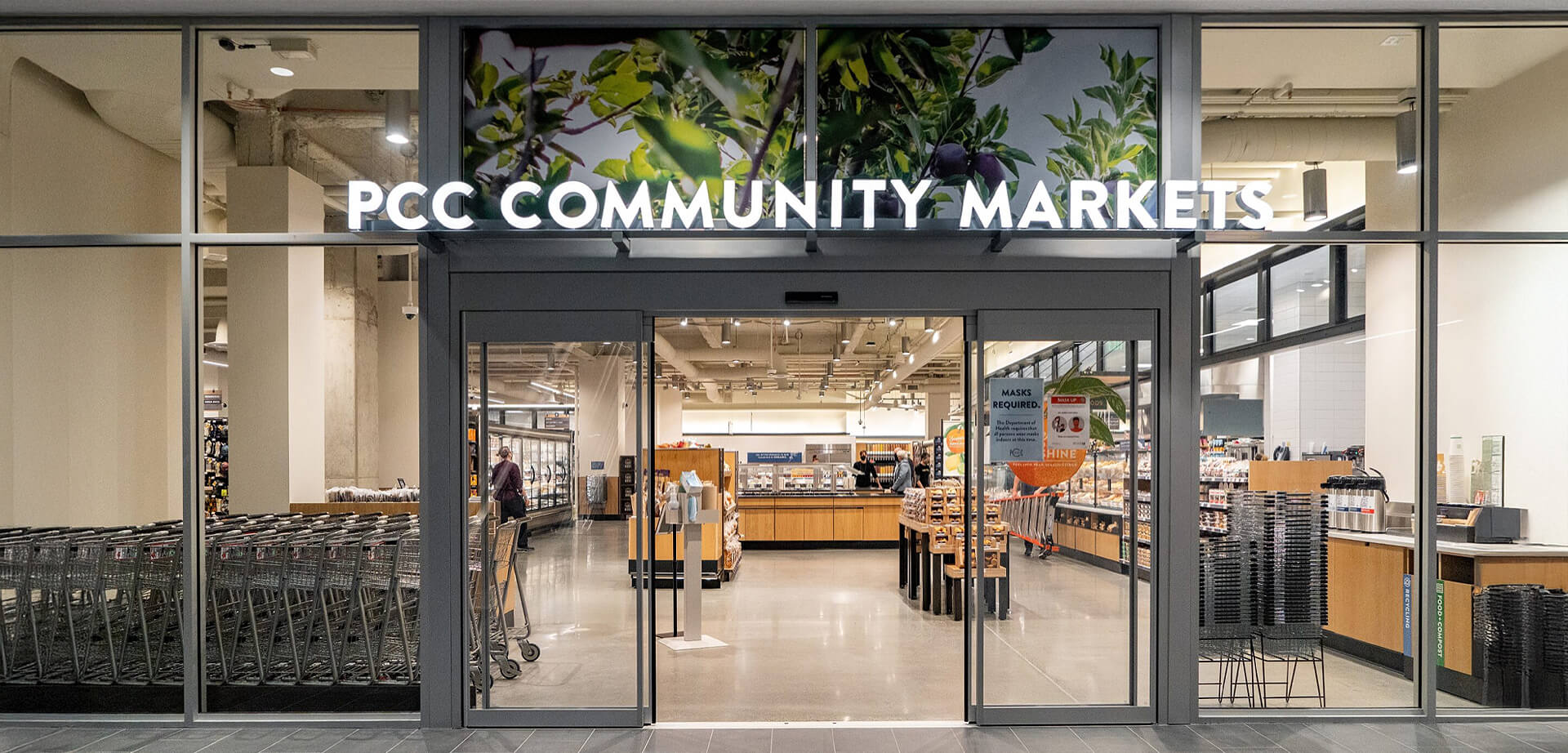
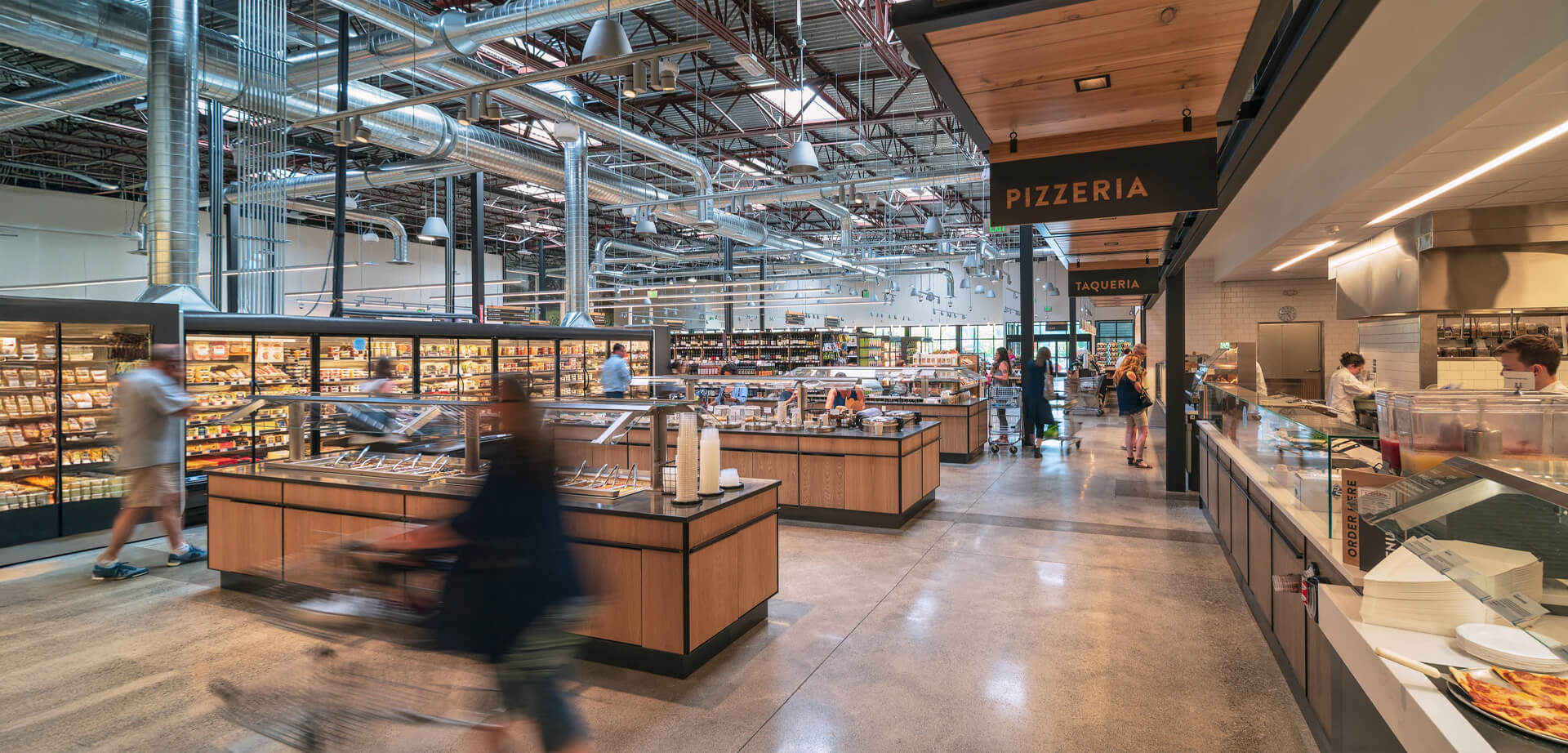
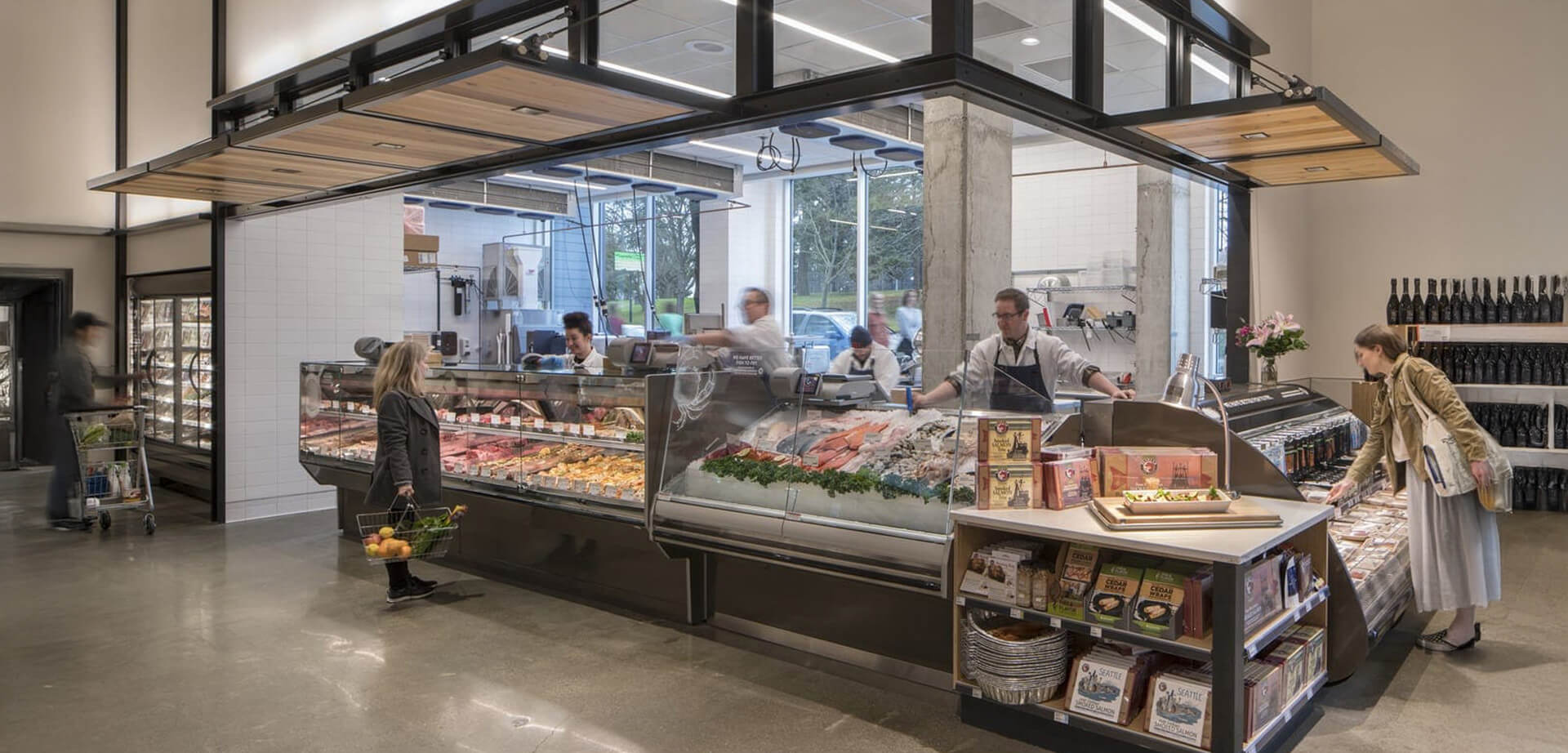
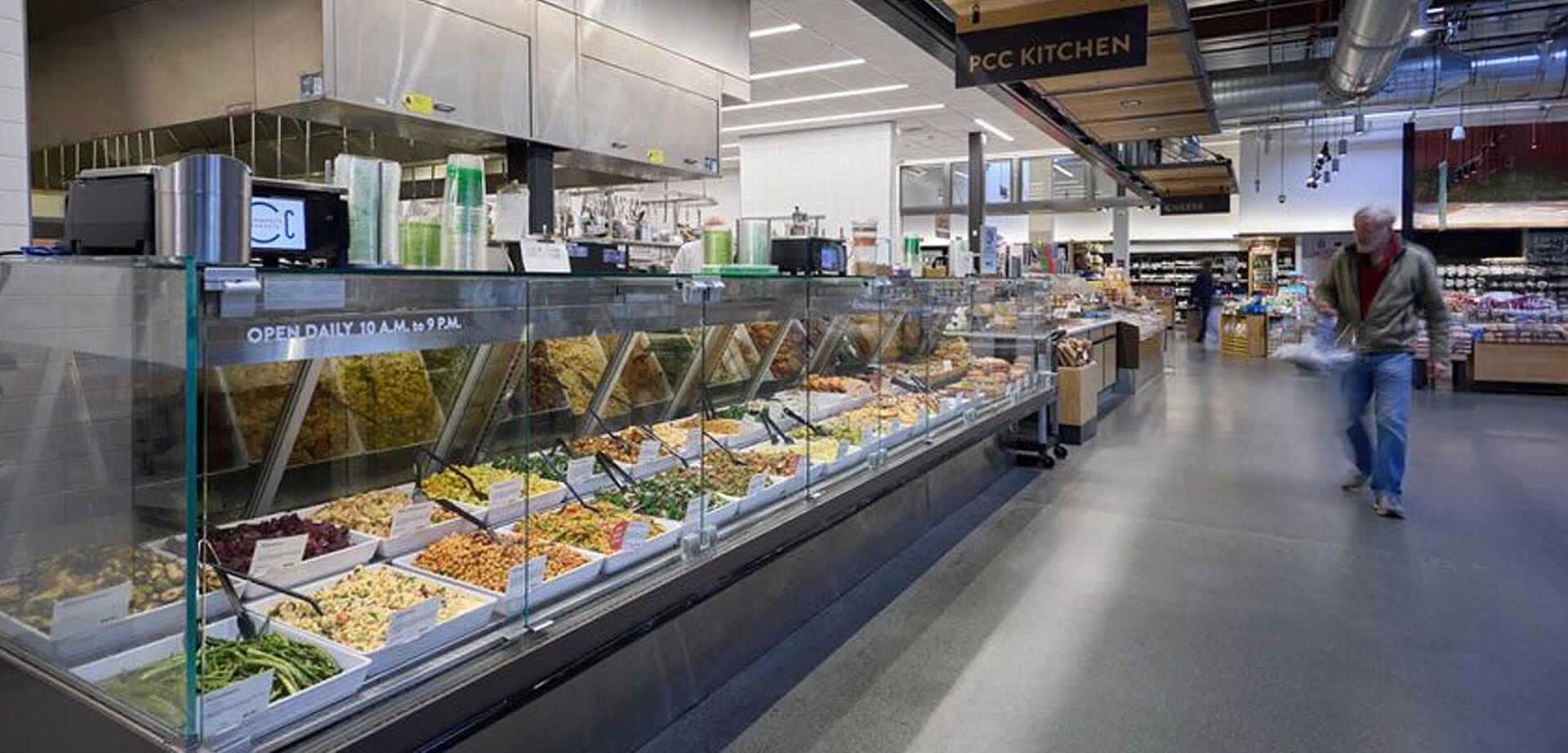
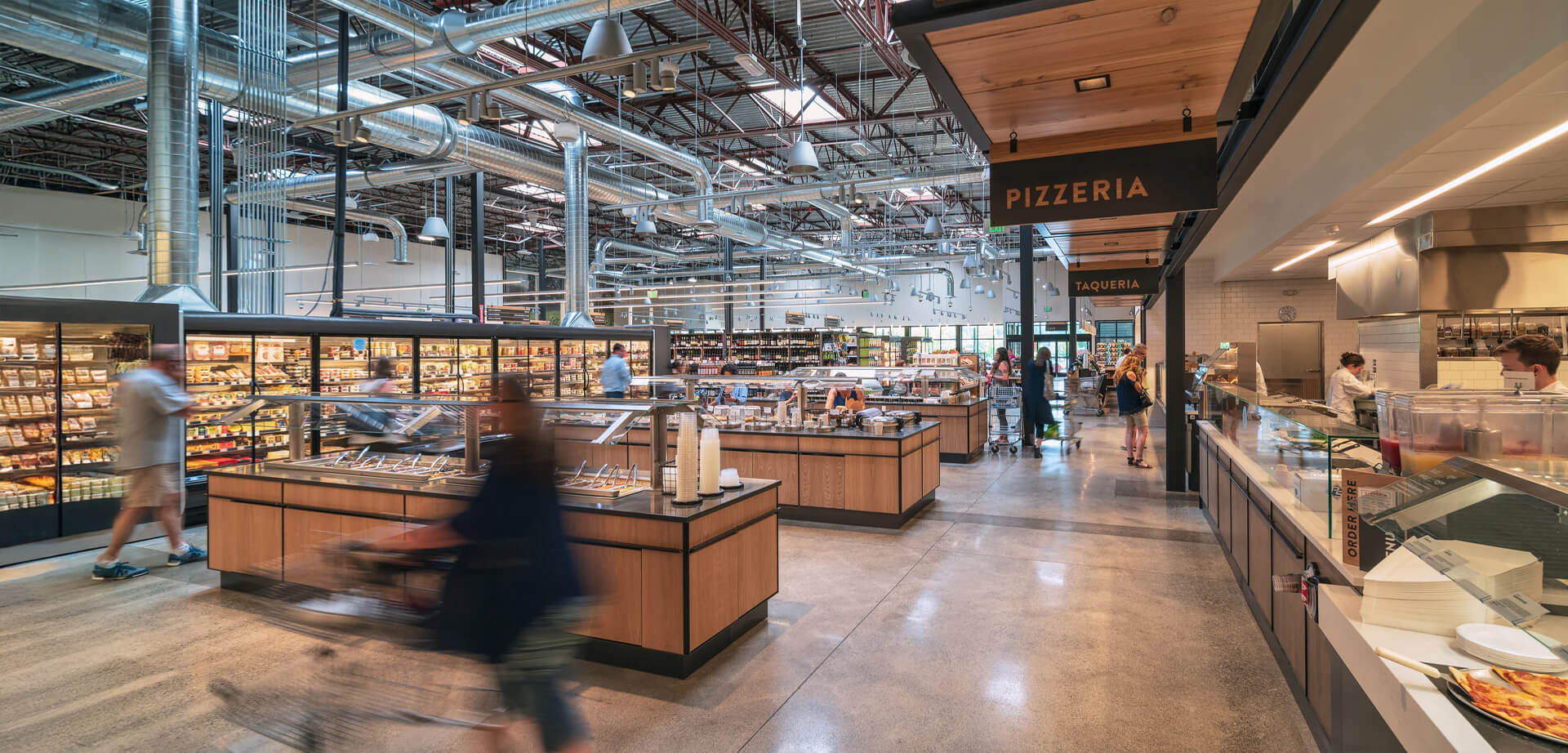
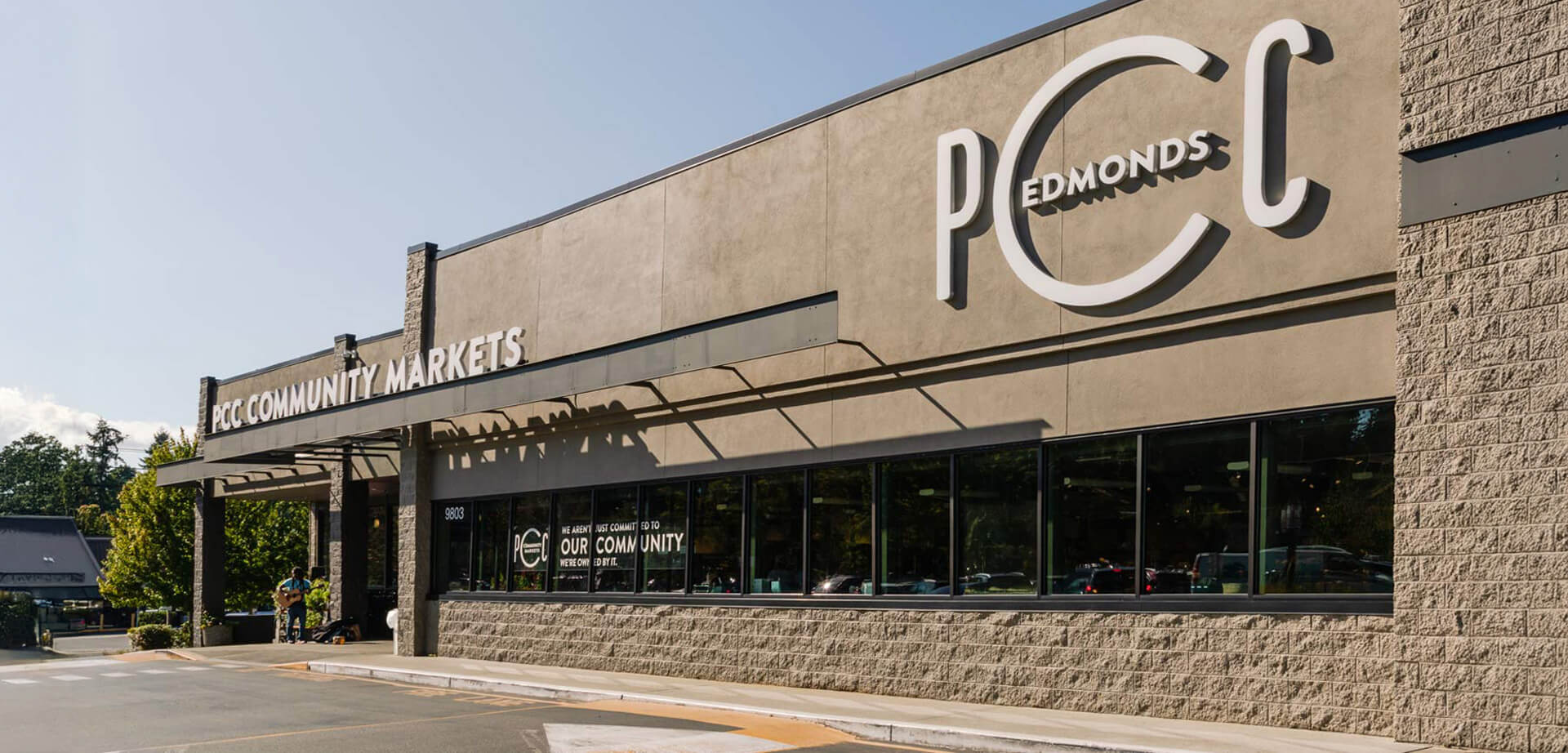
PCC Community Markets → Hyper-local relevance → Community + curated assortment
SPAR → Flexible local formats → Format adaptability
Aldi → Efficient store redesign → Space + operational productivity
SSG Food Market → Lifestyle grocery → Food theatre + discovery
Carrefour → Large-format transformation → Omnichannel + space productivity
These examples point towards a common principle: Future supermarket performance will depend less on increasing selling space and more on matching format, customer mission, assortment, experience and technology to local commercial opportunity.
How CampbellRigg helps
CampbellRigg uses international retail benchmarks as strategic evidence rather than as visual inspiration.
The objective is to understand why a format works, which principles can transfer to another market and which elements must be adapted to local customers, economics, brand positioning and operational requirements.

1. AI becomes supermarket infrastructure
Artificial intelligence is moving increasingly behind the scenes.
Rather than being represented primarily by screens, robots or visible automation, supermarket technology will increasingly support demand forecasting, assortment optimisation, pricing, replenishment, workforce planning, customer insight and store operations. McKinsey identifies applications across pricing, promotion, assortment optimisation, forecasting, replenishment and automation.
The management question is therefore not: Where can we install AI? It is: Which commercial decisions can AI improve?
The answer may affect everything from local assortment and stock availability to labour deployment and space allocation.
How CampbellRigg helps
CampbellRigg connects supermarket technology opportunities to customer journeys, format requirements, spatial planning and brand experience.
The objective is to ensure technology supports the retail proposition rather than becoming an isolated technology investment.
AI insight → better decision-making → better store performance
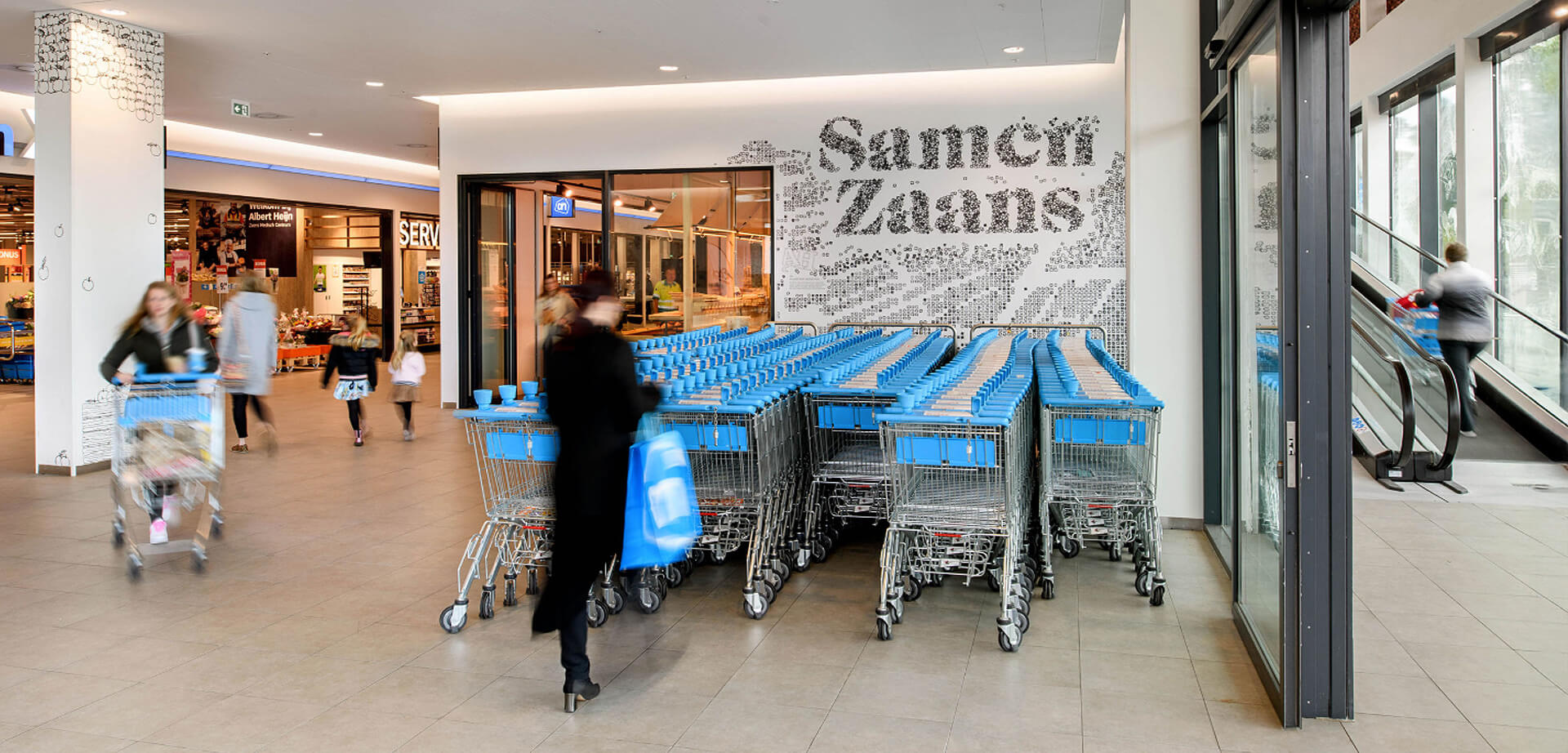
2. Hyper-local formats replace one-size-fits-all stores
Different catchments have different demographics, shopping missions, competition, transport patterns, housing densities and shopping behaviours.
A city-centre supermarket may prioritise food-to-go and convenience.
A suburban supermarket may emphasise family shopping, fresh food and larger baskets.
A destination store may prioritise discovery, foodservice and experience.
Supermarket technology can increasingly support these distinctions by giving management better insight into local demand.
Location → customer intelligence → shopping mission → assortment → format → design → performance
How CampbellRigg helps
CampbellRigg develops scalable format principles that identify what should be standardised and where local adaptation can create additional commercial value.
This enables management to build repeatable supermarket formats without creating identical stores.
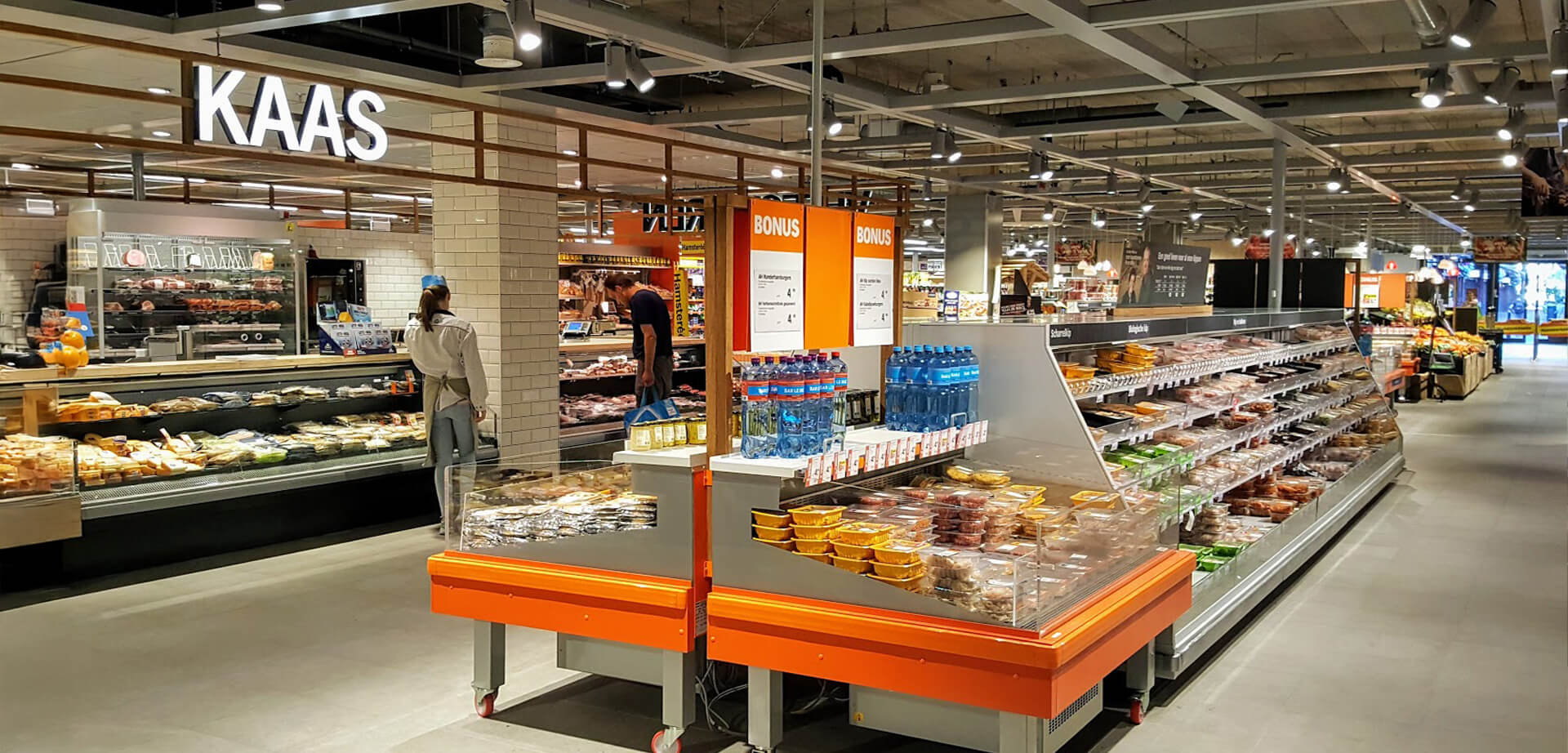
3. Supermarkets become destinations
Online grocery has made routine replenishment increasingly convenient.
Physical stores therefore need stronger reasons to visit.
Fresh-food theatre, prepared meals, cafés, demonstrations, specialist services, wellness, discovery and social experiences can transform supermarkets into destinations.
The destination supermarket becomes:
Part grocery store + part food market + part hospitality environment + part customer-experience platform
How CampbellRigg helps
CampbellRigg identifies which experiences genuinely support the retailer's commercial proposition and integrates them into zoning, circulation, merchandising, brand expression and customer journey planning.
The objective is not to add experiences for their own sake.
It is to create commercially productive reasons to visit, browse, purchase and return.
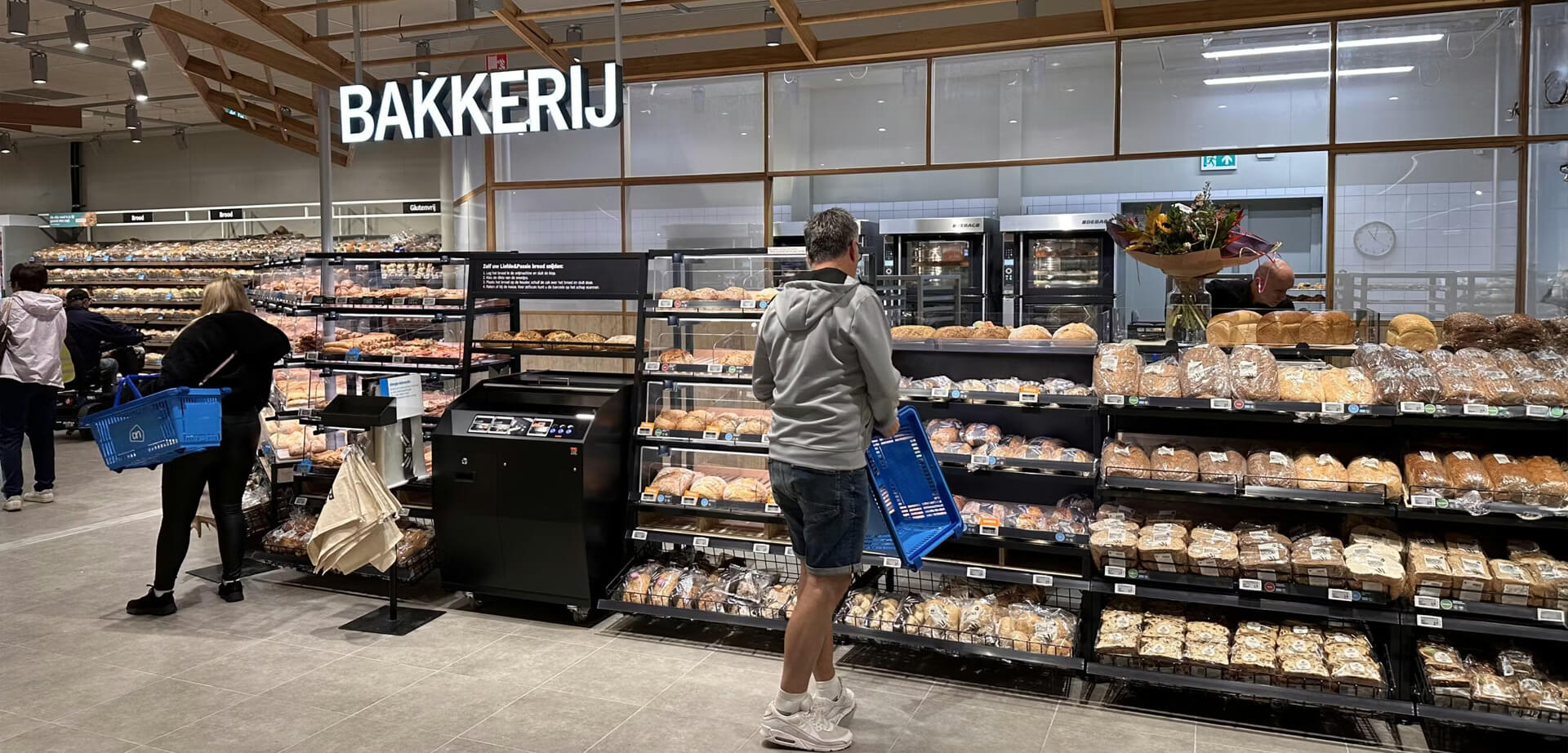
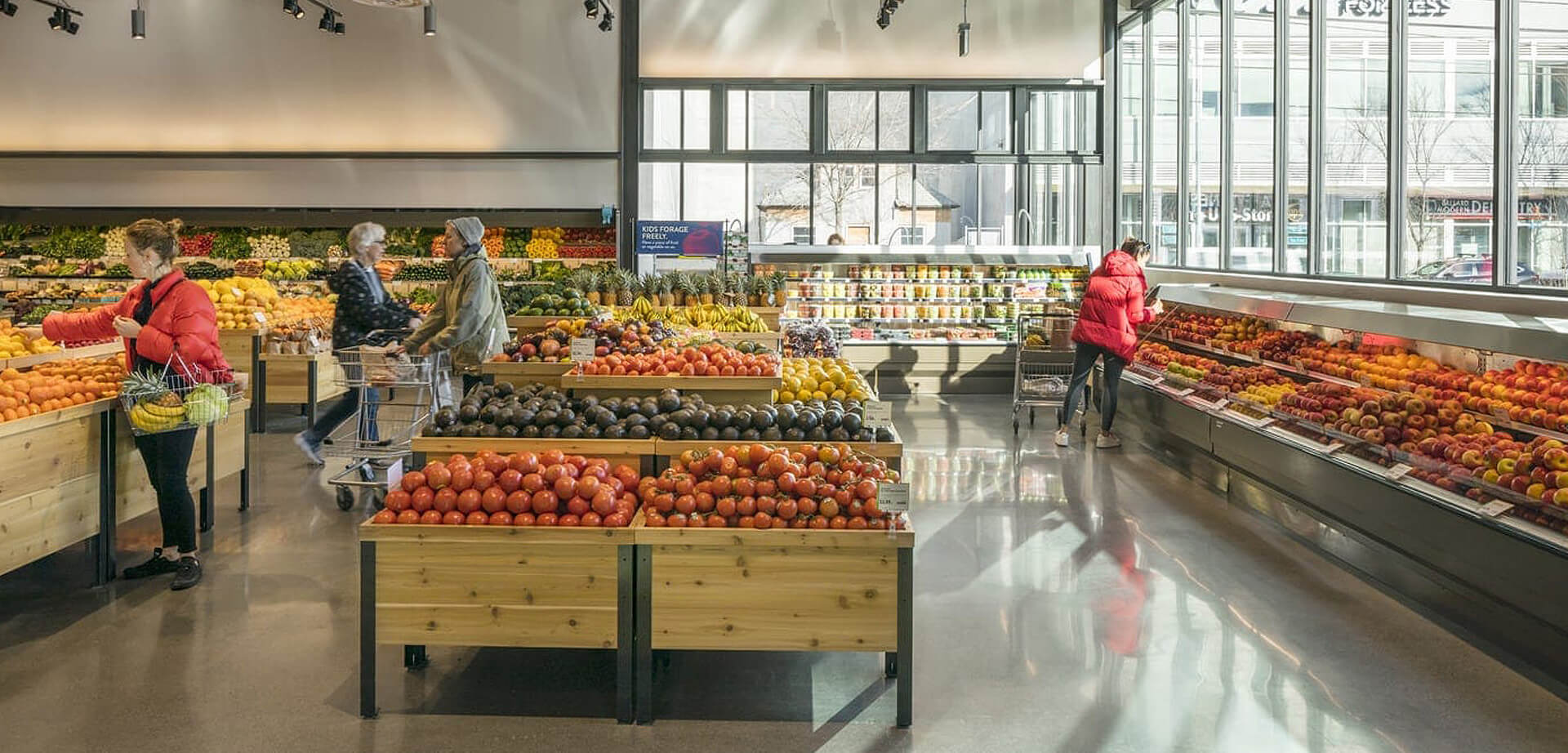
4. Fresh food becomes an experience platform
Fresh food remains one of the strongest reasons for physical grocery visits.
Produce, bakery, meat, seafood, prepared food, cafés and food-to-go can become highly visible experience zones rather than conventional supermarket departments.
The opportunity is to combine: Freshness + theatre + service + discovery + convenience
McKinsey's grocery research also identifies ready-to-eat and ready-to-go food as important areas of opportunity.
How CampbellRigg helps
CampbellRigg develops fresh-food environments as part of the wider customer and brand proposition, connecting merchandising, customer flow, visual identity, service zones and spatial planning.
This allows fresh food to function simultaneously as a commercial category, customer-experience driver and brand differentiator.
5. Phygital supermarket technology connects digital and physical retail
The supermarket customer journey is no longer linear.
A customer may discover a product through search, social media or an AI assistant, compare prices online, check availability through an app, visit a physical supermarket, receive a personalised recommendation, use self-checkout and subsequently reorder digitally.
IGD's research into the hyper-connected store similarly emphasises the integration of physical stores with ecommerce, loyalty, retail media and data.
The supermarket therefore becomes part of a wider phygital retail ecosystem.
How CampbellRigg helps
CampbellRigg maps the relationship between ecommerce, loyalty, digital services, fulfilment, physical navigation and in-store experience.
The objective is to make the physical supermarket an active component of the retailer's wider customer relationship.
6. Every square metre becomes commercially accountable
Supermarket performance will increasingly be evaluated through productivity rather than store size alone.
The management question becomes:
What is each square metre contributing to the customer and the business?
Space may need to support:
- Sales
- Fresh-food theatre
- Food-to-go
- Discovery
- Services
- Fulfilment
- Digital engagement
- Loyalty
- Foodservice
- Community activity
The commercial relationship is: Space allocation → customer engagement → conversion → basket value → sales/m² → ROIC
This is precisely where supermarket layout and technology intersect.
CampbellRigg's specialist supermarket layout design approach focuses on circulation, category zoning, product visibility, shopper behaviour, navigation and space productivity rather than treating the store plan as simply a drawing exercise.
How CampbellRigg helps
CampbellRigg combines customer journey analysis, space planning, category relationships, merchandising and design to make the physical environment more commercially accountable.
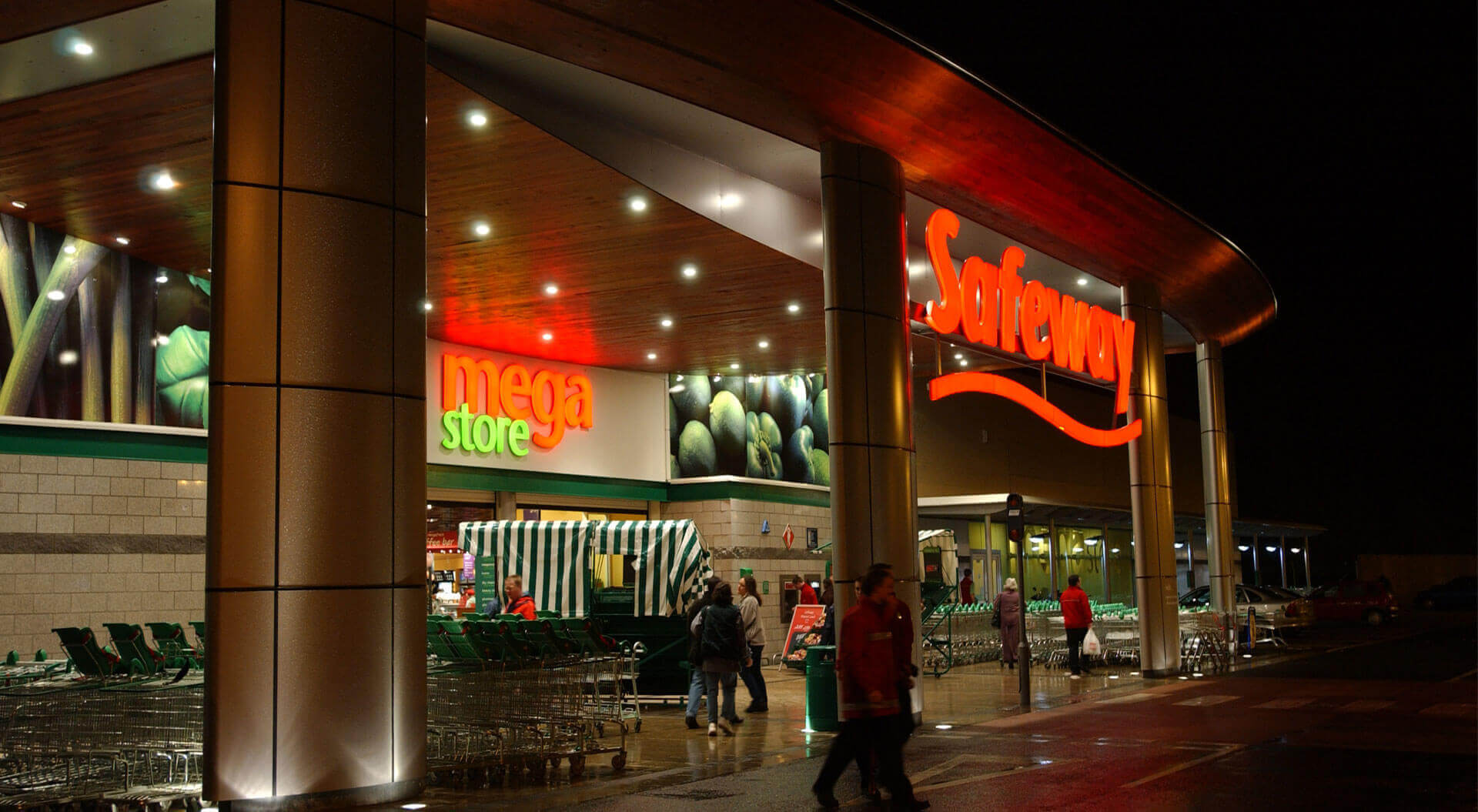
Safeway: connecting format design with commercial performance
CampbellRigg's Safeway work demonstrates how supermarket format development can connect customer experience, adaptable store planning and commercial performance.
The programme examined existing store formats and developed adaptable environmental zones capable of being configured across different store sizes. Safeway subsequently reported sales 40% ahead of budget following implementation.
The significance is not simply the reported sales result.
It demonstrates the value of designing a supermarket system that can translate a strategic proposition into repeatable physical environments.
How CampbellRigg helps
The approach connects: Format analysis → customer journey → space planning → environmental design → implementation → commercial measurement
For management, this creates a framework capable of being rolled out rather than a one-off flagship concept.
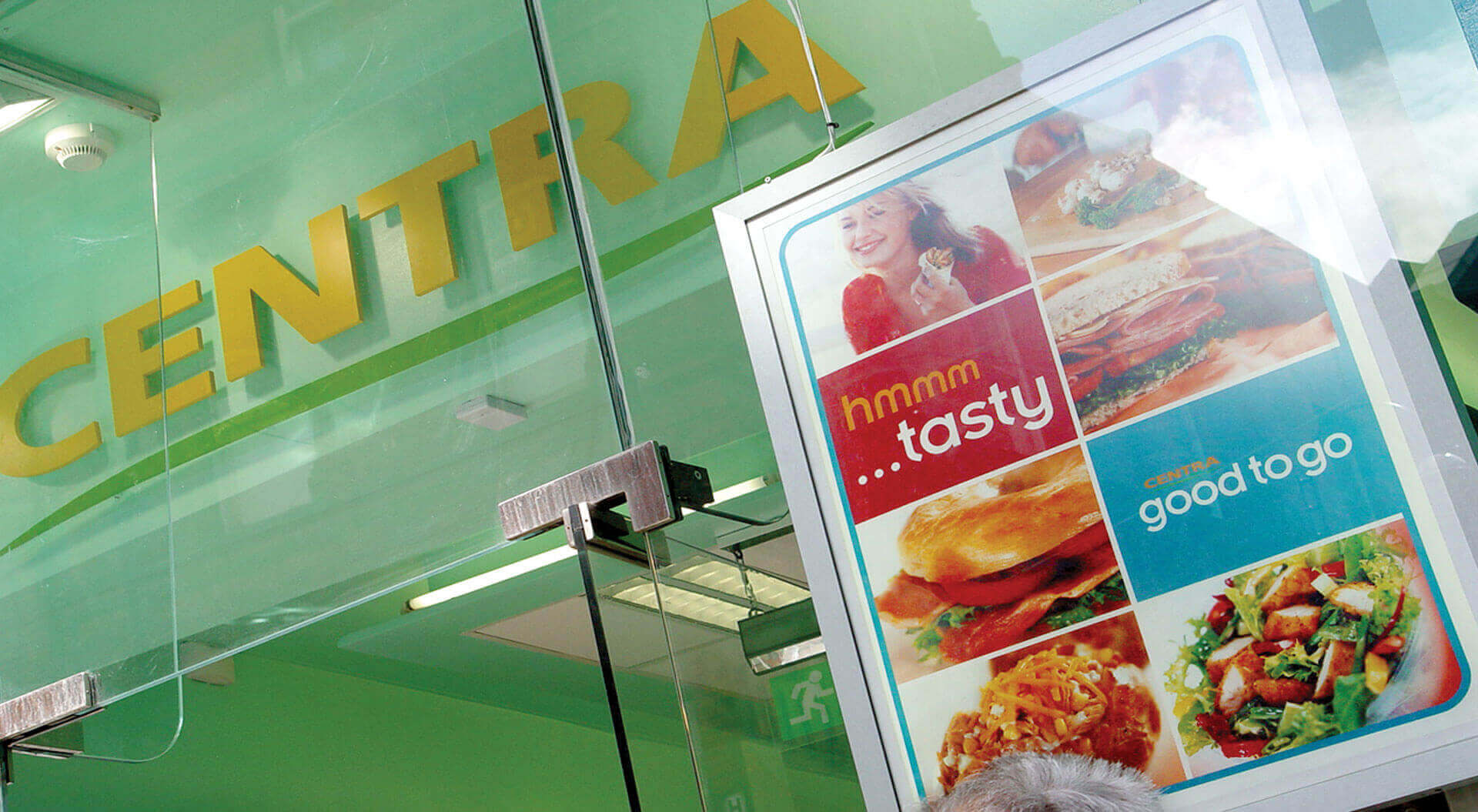
Centra: convenience technology, food-to-go and local customer missions
CampbellRigg's work with Centra in Ireland demonstrates how supermarket technology and format design can support convenience-led customer missions.
The Centra concept combined store layout, sub-brand identity, shopper experience, fresh food and food-to-go. The “Good to Go” proposition was supported by pre-ordering and digital engagement, while the Fresh Market concept used dedicated zones for coffee, chilled convenience, ready-to-eat food, hot food, produce, grocery and fresh meat.
The resulting format exceeded sales targets and was subsequently rolled out across the Republic of Ireland network.
How CampbellRigg helps
The Centra example illustrates an important principle for management:
Technology becomes more commercially valuable when it is designed around a clearly defined customer mission and supported by an appropriate physical format.
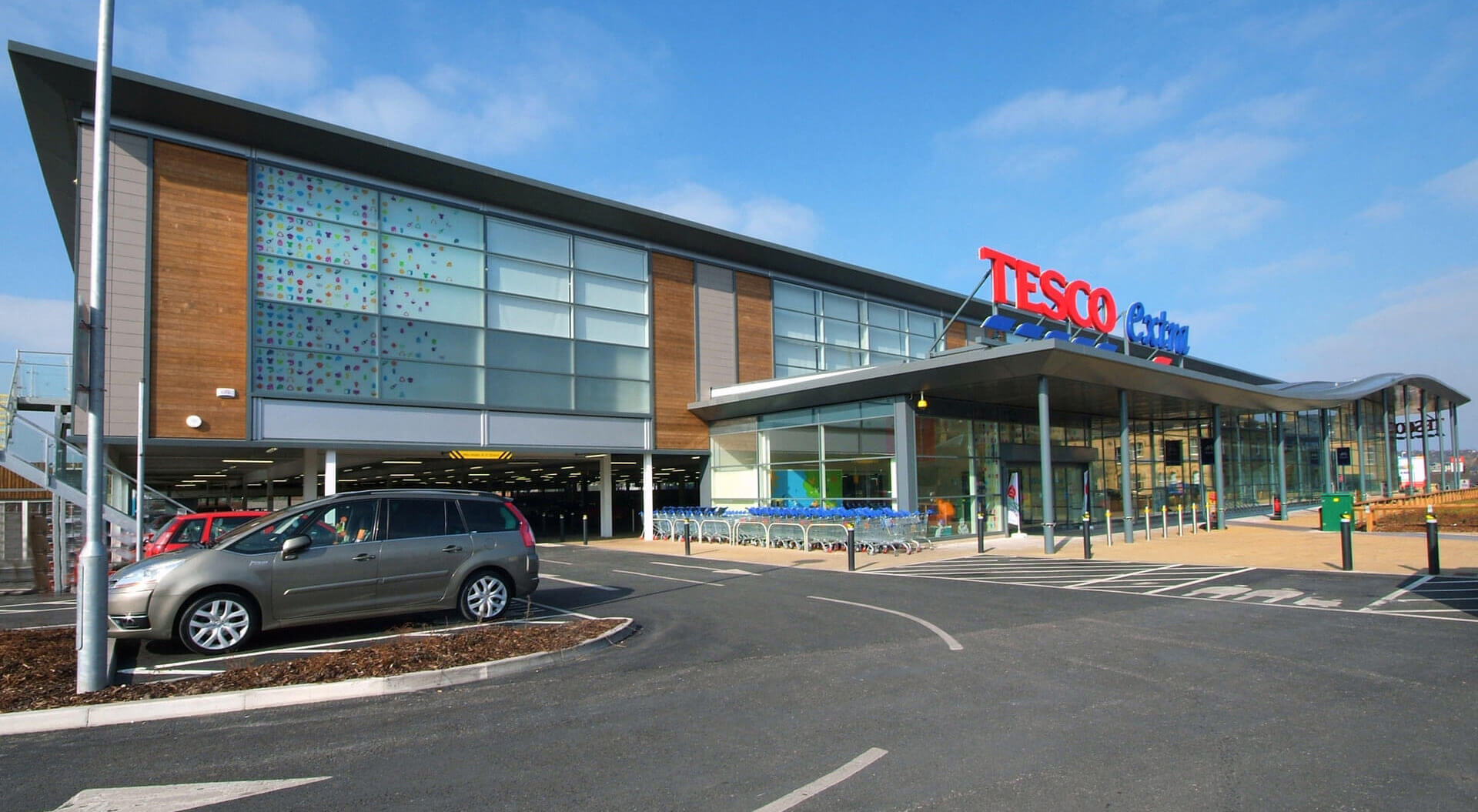
Tesco: using technology and spatial design to improve the hypermarket journey
CampbellRigg's Tesco Extra work in Accrington demonstrates another part of the model.
The project combined hypermarket planning, branding, navigation, fresh-food destinations, merchandising and self-service technologies.
The design introduced destination zones including enhanced fresh produce and a combined wellbeing area, while self-service and scan-as-you-shop technologies were integrated to improve efficiency and customer convenience.
The project also addressed previously under-utilised areas and used destination-led merchandising to improve customer flow and category engagement.
How CampbellRigg helps
The Tesco example demonstrates that supermarket technology does not operate independently from the physical environment.
Technology + navigation + merchandising + spatial planning + brand expression
must work together if the retailer wants the investment to improve the overall customer journey.
For the specific challenges of large-format grocery, CampbellRigg's dedicated hypermarket transformation work examines how space optimisation, fresh food, experience, technology and omnichannel services can improve growth and ROIC.
7. Agentic commerce changes grocery discovery
The next transformation may happen before customers even enter the supermarket.
AI agents can increasingly help consumers discover products, compare prices, construct baskets and automate replenishment.
McKinsey's European grocery research identifies agentic AI and autonomous commerce as emerging opportunities.
This creates a new commercial requirement.
Retailers may increasingly need to compete not only for shelf visibility, search visibility and retail-media attention, but also for algorithmic visibility.
Product information, availability, pricing, brand positioning, reviews and customer relevance could increasingly influence whether an AI shopping system recommends one retailer or product over another.
How CampbellRigg helps
CampbellRigg considers brand positioning, digital experience and physical retail experience as one connected proposition.
The objective is to ensure the retailer's commercial proposition remains clear wherever the customer journey begins.
8. Personalisation and first-party data reshape loyalty
Customer purchase history, preferences, location, frequency and digital behaviour can support more relevant promotions, recommendations and services.
McKinsey reports that 56% of consumers say they are likely to become repeat buyers after a personalised experience, while Boston Consulting Group has reported that retail personalisation leaders achieve revenue growth 10 percentage points faster than laggards.
Personalisation can therefore influence: Recommendation → relevance → engagement → basket value → frequency → loyalty
How CampbellRigg helps
CampbellRigg translates customer intelligence into physical and digital experiences without allowing personalisation to become fragmented.
The supermarket becomes the physical expression of a deeper customer relationship.
9. Modular design makes supermarket networks more adaptable
Supermarket technology, customer behaviour and commercial priorities will continue to change.
A retailer therefore needs environments that can evolve without requiring every store to be redesigned from scratch.
Modular systems can cover:
- Store architecture
- Interior design
- Fixtures
- Navigation
- Digital interfaces
- Fresh-food zones
- Food-to-go
- Service areas
- Visual merchandising
- Brand expression
The objective is: Master brand → modular format → local adaptation → scalable rollout → measurable performance
How CampbellRigg helps
CampbellRigg develops modular supermarket environments that enable management to roll out a consistent strategic proposition while adapting individual stores to different sizes, locations and customer missions.
This turns design into a network capability rather than a sequence of unrelated store projects.
For retailers reviewing the physical environment itself, CampbellRigg's dedicated supermarket refurbishment design capability addresses how existing stores can be transformed while protecting operational continuity and improving customer and commercial performance.
What should supermarket leaders invest in before 2029?
Management does not need to adopt every emerging technology.
The priority is to build the capabilities that connect supermarket technology with measurable physical and commercial performance.
1. AI-enabled customer and market intelligence
Use data to understand demand, customer missions, local catchments and store performance.
2. Scalable supermarket formats
Define the right size, assortment, service proposition and customer journey for each location.
3. Fresh-food destinations
Invest in fresh food, food-to-go, prepared meals and hospitality where these create commercially relevant reasons to visit.
4. Modular supermarket design
Create scalable design systems that can adapt to different locations and customer missions.
5. Connected physical and digital journeys
Link ecommerce, loyalty, apps, supermarket technology, fulfilment and physical experience.
6. Intelligent navigation and availability
Use technology to reduce friction while helping customers discover relevant products and services.
7. Personalised customer engagement
Use first-party data to improve relevance without compromising trust.
8. Flexible space allocation
Continuously evaluate whether every part of the store is generating sufficient customer and commercial value.
9. Experience-led environments
Give customers compelling reasons to visit beyond routine replenishment.
The five-step management action framework
Technology investment should ultimately lead to better commercial decisions.
CampbellRigg recommends a five-stage approach for management teams considering supermarket transformation.
1. Diagnose the existing network
Analyse:
- Existing supermarket formats
- Customer missions
- Catchment characteristics
- Brand proposition
- Customer journeys
- Space productivity
- Technology capabilities
- Commercial performance
The objective is to establish where the existing network is creating value and where it is underperforming.
How CampbellRigg helps
CampbellRigg can audit the existing brand, store environment, customer journey, format architecture and design system before defining the transformation brief.
2. Define the future proposition
Determine:
- Which customers the retailer wants to serve
- Which shopping missions it wants to own
- How supermarket technology can improve relevance
- Which format types are required
- What the brand should stand for
- Which commercial outcomes matter most
The result should be a clearly defined future proposition rather than a collection of technology initiatives.
How CampbellRigg helps
CampbellRigg connects brand positioning, customer insight, format requirements and physical experience into one commercial design brief.
3. Design the scalable format system
Translate the proposition into:
- Customer journeys
- Store zoning
- Space allocation
- Fresh-food environments
- Navigation
- Fixtures
- Brand expression
- Digital touchpoints
- Technology integration
How CampbellRigg helps
CampbellRigg develops the design principles and modular components required to create consistency across the estate while allowing local adaptation.
4. Connect technology with the physical supermarket
Technology should have a defined role within the customer journey.
That may include:
- AI and predictive analytics
- Digital loyalty
- Personalised recommendations
- Product availability
- Self-checkout
- Scan-as-you-shop
- Ecommerce integration
- Click-and-collect
- Fulfilment
- Retail media
- Digital wayfinding
How CampbellRigg helps
CampbellRigg connects the technology proposition with physical customer journeys so that digital investment improves rather than complicates the shopping experience.
5. Measure, refine and roll out
Before network-wide implementation, management should establish measurable indicators including: Sales/m² + conversion + basket value + customer frequency + loyalty + availability + cost-to-serve + ROIC
The objective is to create a feedback loop: Design → implementation → measurement → learning → refinement → rollout
How CampbellRigg helps
CampbellRigg's role extends from strategic definition into implementation and scalable rollout, allowing the design system to evolve as management learns which interventions produce the strongest commercial response.

The CampbellRigg Supermarket Technology Commercial Performance Model
The future supermarket should ultimately be evaluated as a connected commercial system:
Supermarket technology → AI insight → Customer intelligence → Format → Space allocation → Customer experience → Conversion → Basket value → Loyalty → Sales/m² → ROIC
The central principle is straightforward:
- AI without a commercial objective creates cost.
- Data without a clear retail application creates complexity.
- Technology without customer relevance creates friction.
- Design without commercial measurement becomes decoration.
When these elements are aligned, supermarket technology becomes more than a digital investment.
It becomes an enabler of better formats, better customer experiences and better-performing retail assets.

How CampbellRigg helps turn supermarket technology into a scalable network
For supermarket CEOs and senior management teams, the challenge is no longer identifying individual trends.
It is deciding how those developments should work together within a commercially viable retail network.
CampbellRigg connects:
Brand audit → Customer intelligence → Commercial brief → Format development → Supermarket technology → Brand architecture → Retail branding → Customer journey → Space planning → Interior design → Phygital experience → Modular rollout → Measurement
The benefit management receives is one strategic direction connecting the supermarket proposition to the physical network.
This is deliberately different from treating technology, branding, store planning and design as separate commissions.
The agency's supermarket experience includes convenience, supermarket and hypermarket formats, with projects including Safeway, Centra and Tesco demonstrating how format planning, customer experience, branding, merchandising, navigation and technology can be brought together.
For broader supermarket positioning, brand architecture and retail growth, the dedicated supermarket retail strategy capability addresses the wider commercial framework. For specialist physical challenges, CampbellRigg's supermarket layout design, supermarket refurbishment, convenience supermarket design, hypermarket transformation and supermarket branding disciplines provide deeper expertise in their respective areas.
The 2029 opportunity is therefore not to create a supermarket that simply looks more technological.
It is to create a smarter, more relevant, more adaptable and more commercially productive retail network.
The future supermarket is intelligent, adaptive and commercially measurable
The supermarket of 2029 will not necessarily be the store with the most screens, sensors or visible technology.
It will be the store and ultimately the network that understands customers most effectively and translates that intelligence into a relevant physical and digital experience.
The strongest supermarket networks will combine: Supermarket technology + customer intelligence + hyper-local formats + fresh-food experience + modular design + phygital journeys + personalisation + commercial measurement
The commercial objective remains: Greater relevance → stronger engagement → higher conversion → larger baskets → greater loyalty → higher sales productivity → stronger ROIC.
For management, the opportunity is therefore broader than supermarket technology.
It is to create a scalable retail system in which technology, strategy, brand, customer experience, space and investment work together.

How CampbellRigg helps
CampbellRigg connects those disciplines into one commercially focused programme from initial audit and strategic brief through format development, supermarket technology integration, design, implementation and scalable rollout.
Define the commercial opportunity first. Then design the supermarket around it.
If your supermarket network is being reshaped by AI, changing customer missions, omnichannel shopping, new formats or the need to improve ROIC, CampbellRigg can help identify the commercial opportunity and translate it into a scalable supermarket technology, format and design system.
Supermarket technology should not simply make the store more digital. It should make the retail network perform better.
Explore supermarket strategy, format planning, branding, store design and phygital transformation with CampbellRigg
Schedule your consultation today and receive a free quote.
Cost-Effective Excellence:
Our pricing structure is highly competitive, offering exceptional value without compromising on quality or creativity.
Rapid Execution:
We move fast. From concept to implementation, our agile team ensures your project is delivered on time and to the highest standards.
Multidisciplinary Expertise:
Our team brings together seasoned brand strategists, architects, interior designers, and graphic designers, collaborating to create seamless, end-to-end brand environments.
Global Reach, Local Insight:
With successful projects delivered across Europe, the Middle East, and Asia, we combine international experience with local market understanding.
Scalable Project Delivery:
Whether it's a flagship hypermarket store, a metropolitan city supermarket or convenience store, we manage and execute projects of all sizes, efficiently and effectively.
Proven Track Record:
Our designs evolve branch networks from purely transactional spaces into experiential, relationship-focused brand environments, enhancing engagement, elevating customer experience, and driving tangible business results.
Full-Service Creative Agency:
From rebranding and marketing campaigns to spatial design and rollout, we provide an integrated service tailored to your goals.